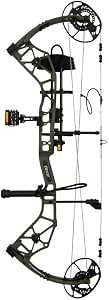
Best Compound Bow for Deer Hunting

October in a Michigan tree stand has a way of stripping the romance out of bow shopping. The wind’s wrong, your gloves feel like plywood, and a noisy shot can end the whole evening before the deer even knows you’re there.

Best compound bow for deer hunting means a bow that stays quiet, fits your draw length, holds steady from awkward hunting positions, and tunes cleanly with broadheads. In the woods, forgiveness and shot behavior matter more than raw speed.

Quick Answer

Best overall: Mathews V3X. It’s the safest all-around whitetail pick if you want a quiet, forgiving bow that settles well in a stand.

Best budget pick: Mission Switch. It gives new deer hunters a manageable path into the woods without forcing a huge spend on day one.

Best premium pick: Hoyt RX-8. If you hike hard, want a lighter rig, and still care about a clean, stable shot, this is the high-end option.

Best value pick: Bear Adapt 2. It’s the one I’d point to for hunters who want a usable package and don’t want to rebuild the whole setup right away.

A deer-hunting-ready compound bow balances quiet shot behavior, manageable draw cycle, proper fit, and enough forgiveness for real hunting positions. For whitetail hunting, that usually means a bow you can draw smoothly, hold steady in a tree stand, and tune cleanly with hunting arrows and broadheads.

Quick Picks for Deer Hunting

Product Rating Best For Key Benefit CTA
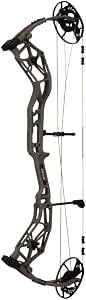
Mathews V3X 9.7/10 Quiet, forgiving whitetail hunting Excellent hold and field-friendly balance Shop Now
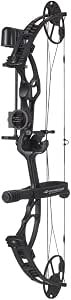
Mission Switch 9.0/10 New deer hunters on a budget Easy entry point with practical adjustability Shop Now
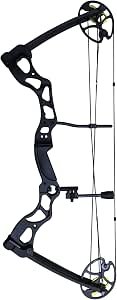
Hoyt RX-8 9.5/10 Mobile hunters and premium buyers Light carry with strong stand performance Shop Now
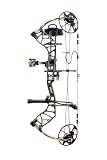
Bear Adapt 2 9.2/10 Value-focused hunters Usable package without a lot of extra spending Shop Now

If one of these already fits your style, jump to the full specs and setup notes before you buy.

What We Recommend

Mathews V3X, best overall for quiet, forgiving whitetail hunting

What We Noticed

This is the bow I’d trust most for a long sit in a ladder stand. It feels calm at full draw, and that matters more than a flashy IBO speed number once a buck starts angling through cover.

The V3X also fits the kind of hunting where you don’t get a second chance. If you’re half-turned, cold, and trying not to bump the rail, a forgiving bow is worth more than a faster one.

Unexpected Pros/Cons

The biggest plus is how little drama it brings to the shot. It doesn’t feel twitchy, and that helps when you’re trying to settle a pin on a deer that’s only giving you a narrow window.

The tradeoff is simple. You’re paying for a premium hunting bow, and that price stings if you’re still building out the rest of your setup.

Best For

Hunters who want one bow to carry through whitetail season, especially from a tree stand or blind. It’s also a strong fit for anyone who values quiet hunting bows over raw speed.

Mission Switch, best budget option for new deer hunters

What We Noticed

Mission gets the basics right here. The Switch is the kind of bow that lets a new hunter learn without getting punished by a harsh draw cycle or a setup that feels too demanding.

I like it for first-time buyers because it leaves room to grow. That matters when you’re still figuring out draw length, anchor point, and how much draw weight you can actually hold cleanly.

Unexpected Pros/Cons

The upside is value. You’re not paying flagship money just to get into deer hunting, and that’s a real advantage for a lot of families.

The downside is that budget bows usually need more attention on accessories and tuning. You may save on the bow, then spend the difference on a better sight, rest, and quiver.

Best For

Beginners, younger hunters, and anyone who wants a practical entry into deer hunting without overcommitting on price.

Hoyt RX-8, best premium option for mobile hunters

What We Noticed

This is the one for hunters who move a lot and still want a serious bow. It’s the kind of setup that makes sense when you hike into public land before daylight and don’t want extra weight dragging on your shoulder.

The RX-8 also feels like a bow built for hunters who care about the whole shot, not just the number on the spec card. Quiet, stable, and easy to carry, that’s the right mix for a lot of whitetail hunters.

Unexpected Pros/Cons

The standout strength is portability without feeling flimsy. That’s a big deal if you’re climbing, still-hunting edges, or covering ground between sets.

The downside is obvious. Premium Hoyt pricing can push this out of reach if you’re also buying arrows, a release, and a full accessory stack.

Best For

Mobile hunters, public-land hunters, and buyers who want a lightweight deer bow that still feels serious at full draw.

Bear Adapt 2, best value for hunters who want a usable package

What We Noticed

The Adapt 2 makes sense for hunters who want to get in the woods without piecing together every part from scratch. That’s useful if you’d rather buy once and start practicing.

It’s not trying to win the speed race. It’s trying to give you a workable deer setup that doesn’t feel stripped down.

Unexpected Pros/Cons

The best part is value per dollar. Bear Archery tends to hit a sweet spot for hunters who want a compound bow package that’s actually usable.

The weak spot is that package bows can hide mediocre accessories. If the included rest or sight is cheap, you’ll feel it fast once you start tuning broadheads.

Best For

Hunters who want a practical setup, especially if they’re watching the budget but still want a bow that can hunt right away.

Why the Right Deer Bow Matters

Quiet shot behavior in close-range whitetail hunting

Whitetail hunting is usually a close-range game. That means the bow has to disappear at the shot, because deer don’t give you much forgiveness when they’re already inside 20 yards.

A loud bow can blow a hunt even if the arrow flies true. I’ve watched deer flinch hard enough to ruin a broadside shot just from the bow’s noise and vibration.

Forgiveness when you’re shooting from awkward positions

Tree stands and blinds create bad body angles. You’re not always square, relaxed, and perfectly anchored like you are on a range.

A bow with more forgiveness gives you a little margin when your form isn’t perfect. That’s why brace height and hold stability matter so much for deer hunting.

Why fit matters more in cold weather and low light

Cold weather changes everything. Gloves make your grip clumsy, your shoulders tighten up, and a bow that fit fine in August can feel wrong in November.

A poor fit shows up fast in low light. If the draw length is off or the bow feels too heavy to hold steady, you’ll rush the shot or let it down too early.

How a Compound Bow Works for Deer Hunting

Cam system and draw cycle

The cam system controls how the bow draws and how it rolls over into the valley. A smooth cam makes the bow easier to live with during a long sit, especially when you’re drawing slowly and trying not to get busted.

Binary cam systems often tune well and stay in sync, while a single cam can feel smooth and simple. Either way, the real question is how the bow feels in the woods, not how it sounds in a catalog.

Let-off and holding comfort at full draw

Let-off is the percentage of draw weight you’re no longer holding at full draw. More let-off can make the bow easier to hold, which helps when a deer pauses and you’re waiting on the right lane.

That said, too much let-off can make some bows feel a little floaty for certain shooters. I’d rather have a bow that settles naturally than one that feels like it’s trying to drift off target.

Brace height, forgiveness, and shot stability

Brace height is one of the easiest specs to overlook. A more forgiving brace height can help when your form isn’t perfect, which is most hunting shots.

That matters with broadheads too. Hunting arrows show flaws faster than target points, so a forgiving bow usually tunes into a better deer setup with less drama.

Axle-to-axle length and tree-stand handling

Axle-to-axle length changes how a bow behaves in tight spaces. Shorter bows are easier to move in a stand, but they can feel a little more sensitive.

Longer bows often feel steadier, but they can get awkward in a cramped blind or when you’re drawing around a rail. The right length is the one that fits your hunting position without fighting you.

What Specs Matter Most for Deer Hunting

Draw weight, enough energy without overbowing yourself

You want enough draw weight to drive a broadhead cleanly, but not so much that your anchor falls apart in cold weather. A bow you can’t draw smoothly is the wrong bow, no matter how good the number looks.

For most deer hunters, the better move is manageable draw weight with clean form. That usually beats a heavier setup you can barely hold steady.

Draw length, fit first, speed second

Draw length is personal. If it’s off, the bow won’t settle right, and your anchor point will feel forced.

A proper fit helps with accuracy, comfort, and repeatability. If you’re between sizes, don’t guess, because a bad draw-length fit shows up every time you come to full draw.

Brace height, forgiveness for hunting positions

A forgiving brace height can help when you’re twisted in a stand or shooting through a window in a blind. That extra margin is useful when your shot isn’t textbook.

It also helps with broadhead tuning. A bow that forgives a little form error usually gives you a calmer setup in the field.

Axle-to-axle length, balance of stability and maneuverability

This is the compromise spec. You want enough length for stability, but not so much that the bow feels clumsy in tight cover or a small stand.

If you hunt from the ground or a roomy blind, you can live with a little more length. If you’re cramped in a tree stand, compact usually wins.

IBO speed, useful but not the whole story

IBO speed tells you something, but not enough. A fast hunting compound bow that’s loud or hard to hold doesn’t help much when a deer is standing broadside at 18 yards.

Speed matters less than quietness, fit, and forgiveness once you’re hunting. That’s the part a lot of buyers learn the hard way.

Spec What It Affects What to Prioritize
Draw weight Energy and holding comfort Smooth draw you can repeat
Draw length Fit and anchor consistency Exact fit over guesswork
Brace height Forgiveness More forgiveness for hunting positions
Axle-to-axle length Stability and maneuverability Match your stand or blind
IBO speed Arrow speed Useful, but not the main filter

Compound Bow Setup for Deer

Sight, rest, quiver, and release

A bare bow isn’t a deer setup. You need a bow sight, a good rest, a quiver, and a release aid that doesn’t fight your hand.

I’d rather see a mid-tier bow with solid accessories than a flagship bow dressed with cheap parts. The accessories are what turn a bow into something you can actually hunt with.

Broadheads and arrow tuning for deer

Broadhead tune matters more than a lot of buyers expect. A bow that shoots field points well but tears broadheads apart is not ready for season.

Spend time on arrow selection, paper tuning, and broadhead flight. That work pays off when the first real deer steps out.

Stabilizer and vibration control

A stabilizer helps with balance and vibration damping. It won’t fix a bad bow, but it can make a good bow easier to hold and quieter at the shot.

That matters in a stand, where vibration and hand shock feel louder than they do on a range. A calmer bow is easier to trust.

Tree stand and blind setup considerations

Tree stands and blinds change your shooting lanes. You need a setup that clears rails, windows, and awkward angles without snagging.

Keep the quiver placement, sight housing, and stabilizer length in mind. A bow that looks perfect on paper can be annoying the first time you try to draw it seated and half-turned.

What Actually Matters in the Woods

Worth paying for, quietness, fit, and a smooth draw

Quietness is worth money. So is a bow that fits your body and draws without a fight.

A smooth draw cycle pays off every time you’re cold, tired, or trying to stay hidden. Those are the moments that decide deer season.

Overrated, chasing top-end speed numbers

I’ve seen plenty of hunters buy the fastest bow on the wall and then hate shooting it. That’s a bad trade if the bow is loud, harsh, or hard to hold steady.

A bow that’s 10 fps slower but dead quiet and easy to live with will kill more deer than a louder speed machine. The deer never sees the chronograph.

Gimmicks, features that sound good but don’t help deer hunting

Some features sound impressive and do almost nothing for whitetail hunting. If it doesn’t help you draw quietly, hold steady, or tune broadheads, I’m not paying much attention.

The woods punish gimmicks fast. If a feature adds weight, noise, or setup headache, it’s working against you.

Common Mistakes Buyers Make

Buying the fastest bow on paper instead of the quietest bow in the woods

Speed sells, but deer don’t care about your IBO number. They care about noise, vibration, and whether you flinch on the shot.

The quiet bow usually wins in real hunting conditions.

Choosing too much draw weight and struggling to anchor cleanly

Too much draw weight turns a good shot into a rushed one. If you can’t settle cleanly at full draw, you’ve already lost part of the shot.

A manageable hunting bow draw weight is better than a number you can brag about.

Ignoring axle-to-axle length in a tree stand or blind

A bow that feels great in a shop can feel awful in a stand. Tight spaces expose bad fit fast.

If you hunt from a blind or ladder stand, check how the bow moves before you buy.

Skipping proper draw-length fit

This is one of the easiest mistakes to avoid. If the bow doesn’t fit your draw length, everything else gets harder.

You’ll feel it in your anchor, your back tension, and your consistency.

Overlooking brace height and forgiveness

A low-forgiveness bow can be fine for a perfect shooter. Most hunters aren’t shooting perfect.

Brace height matters because hunting shots happen from awkward positions, not ideal ones.

Buying a bare bow without budgeting for accessories

The bow is only part of the bill. You still need a sight, rest, quiver, release aid, and broadheads.

If you forget that, the real price shows up later.

Picking a package with weak accessories

Some packages save money by stuffing in parts you’ll want to replace right away. That’s false economy.

A decent package should get you hunting, not shopping again next week.

Focusing only on speed and ignoring noise and hold stability

A bow that won’t sit still at full draw is a problem. A bow that jumps in your hand is a problem too.

Hold stability and quiet shot behavior matter more than most spec-sheet bragging rights.

Which Deer Bow Is Right for You?

If you hunt from a tree stand or blind

Go compact, quiet, and forgiving. That usually means a bow with a manageable axle-to-axle length and a calm shot.

The Mathews V3X is the cleanest fit here for most hunters.

If you want the easiest all-around deer bow

Pick the bow that draws smoothly, holds well, and doesn’t demand perfect form. That’s the kind of setup you’ll actually enjoy shooting in October.

The V3X and Bear Adapt 2 both make sense, depending on budget.

If you’re a beginner

Look for adjustability and a forgiving tune window. You want room to learn without fighting the bow every session.

The Mission Switch is the easiest starting point in this group.

If you hike a lot on public land

Weight starts to matter more. A lighter bow that still settles well can make long walks and quick setups much easier.

The Hoyt RX-8 is the premium fit for that style.

If you want the best value

Buy the setup that gets you hunting without extra parts right away. A usable package can save money and time.

The Bear Adapt 2 is the value play if you want to stay practical.

Product Reviews

Mathews V3X

Summary

The V3X is the bow I’d hand to a hunter who wants one setup to do most things well. It’s quiet, settled, and forgiving enough for real whitetail hunting.

Pros

It holds steady in a stand and doesn’t feel nervous at full draw. That calm feel matters when a deer is moving through cover.

Cons

It costs real money, and that can squeeze the rest of your setup budget. If you buy it, you still need to spend smart on accessories.

Best For

Whitetail hunters who want a quiet hunting bow with strong all-around manners.

Key Features

The V3X is known for a balanced feel, good shot control, and hunting-friendly geometry. It’s built to be a deer bow first.

What We Liked

It settles well, and that makes a difference when the shot window is short. I also like how little it asks from the shooter.

What Could Be Better

The price is the obvious hurdle. I’d also want to make sure the rest of the setup matches the bow’s quality.

Bottom Line

If you want the safest overall pick for deer season, this is the one I’d start with.

Hoyt RX-8

Summary

The RX-8 is the premium choice for hunters who move a lot and still want a serious bow. It feels built for the woods, not just the shop wall.

Pros

It’s light enough for long walks and still feels stable enough to trust. That’s a strong combo for public-land hunters.

Cons

Premium pricing can push the total setup cost up fast. If you’re on a tight budget, the bow may crowd out the rest of the rig.

Best For

Mobile hunters who want a lightweight deer bow with premium feel.

Key Features

The RX-8 leans into portability, clean handling, and a refined hunting setup. It’s a strong fit for hunters who cover ground.

What We Liked

It carries well and doesn’t feel like dead weight on a long hike. That matters more than people admit.

What Could Be Better

The cost is steep, and the value only makes sense if you’ll use the premium features. If you sit in one stand all season, you may not need this much bow.

Bottom Line

If you want the best premium option and you hunt on the move, the RX-8 earns its spot.

Mission Switch

Summary

The Switch is a smart entry point for new deer hunters. It keeps the learning curve manageable and the price from getting out of hand.

Pros

It’s approachable, adjustable, and easier to live with than a lot of first-bow mistakes. That’s a big deal for beginners.

Cons

You may need to upgrade accessories sooner than you’d like. The bow itself is the starter, not the whole finished rig.

Best For

Beginners and budget-minded hunters who want a real deer setup without overspending.

Key Features

The Switch focuses on adjustability and practical hunting use. It’s built to get new archers into the woods.

What We Liked

It gives you a clean path into deer hunting without making the first season harder than it needs to be. That’s the right job for a budget bow.

What Could Be Better

The included parts may not be the best long-term pieces. I’d budget for a better sight or rest if needed.

Bottom Line

If you’re new and want a bow that won’t punish mistakes, this is a solid place to start.

Bear Adapt 2

Summary

The Adapt 2 is the value pick for hunters who want a usable package and don’t want to build everything from scratch. It’s practical, which is usually a good sign.

Pros

The value is real, and the package approach can save time. You can get hunting faster if the included parts are decent.

Cons

Package bows live or die by the accessories. If the sight, rest, or quiver is weak, you’ll feel it right away.

Best For

Hunters who want a budget-conscious setup with enough quality to hunt now.

Key Features

The Adapt 2 aims for a balanced mix of price and usability. It’s a good fit for hunters who want a ready-to-go deer bow.

What We Liked

It gives you a lot of hunting usefulness for the money. That’s exactly what a value bow should do.

What Could Be Better

I’d still inspect the accessory stack closely. A cheap package can turn into a second shopping trip.

Bottom Line

If you want value without getting stuck with junk, the Adapt 2 is the one to watch.

Product Comparisons

Hoyt vs Mathews for whitetail hunting

Hoyt usually wins on lightweight feel and mobile hunting appeal. Mathews often wins on quiet, settled shot behavior and broad whitetail comfort.

If you hike, climb, and move a lot, Hoyt makes a strong case. If you sit in a stand and want the calmest shot, Mathews is hard to beat.

Bowtech vs PSE for deer season

Bowtech tends to appeal to hunters who want a strong mix of performance and tuning options. PSE often brings speed and aggressive value into the conversation.

For deer season, I’d look at which bow feels quieter and easier to hold, not just which one prints the bigger speed number.

Mission Archery vs Diamond Archery for beginner deer hunters

Mission usually gives you a practical, no-drama path into hunting. Diamond often competes well on starter-friendly pricing and adjustability.

If you want the simplest learning curve, Mission is a safe bet. If the package deal is stronger, Diamond can make sense too.

Premium flagship hunting bow vs budget hunting bow package

A premium flagship bow usually gives you better quietness, fit, and shot feel. A budget package saves money upfront and gets you hunting faster.

The right choice depends on whether you want the best feel or the lowest entry cost. If you’re serious and you’ll keep the bow for years, premium can be worth it.

Alternatives

Compound bow package

A compound bow package is the easiest way to get started. You get a bow plus the basics, which helps if you don’t want to piece together every part yourself.

The tradeoff is accessory quality. Some packages are excellent, and some are just cheap bundles with a bow attached.

Crossbow for deer hunting

A crossbow makes sense for hunters who want a different learning curve or need a simpler hold at full draw. It can be a practical option in the right season and state.

The downside is that it changes the style of hunting. If you want a traditional vertical-bow experience, it’s not the same game.

Recurve bow for traditional deer hunting

A recurve bow is for hunters who want a traditional challenge and accept a steeper learning curve. It’s honest, simple, and unforgiving.

That’s great if you love traditional archery. It’s not the easiest path for a first deer bow.

Full hunting bow setup

A full hunting bow setup is the smart route if you want the bow, accessories, and tuning plan to work together. That’s how you avoid mismatched parts.

It usually costs more upfront, but it saves headaches later.

Used compound bow from a reputable brand

A used bow can be a strong buy if it comes from a reputable brand and the limbs, cams, and strings check out. That’s a good way to stretch the budget.

Just don’t buy blind. A cheap used bow with hidden wear can cost more than a new package.

Brand Guide

Hoyt, reputation and best products

Hoyt is known for premium build quality and strong hunting bows. The RX series is the one I’d watch for mobile deer hunting.

Mathews, reputation and best products

Mathews has a strong reputation for quiet, forgiving bows that fit whitetail hunters well. The V3X series is the standout here.

Bowtech, reputation and best products

Bowtech often appeals to hunters who want performance with a lot of tuning flexibility. The Carbon Zion is a name many deer hunters already know.

PSE, reputation and best products

PSE is often tied to speed and aggressive performance. The Mach series is where a lot of serious buyers start looking.

Bear Archery, reputation and best products

Bear Archery is a practical brand with strong value and beginner-friendly options. It’s a good place to look if you want a usable hunting bow without premium pricing.

Elite Archery, reputation and best products

Elite is known for smooth shooting and good comfort at full draw. That can matter a lot for hunters who value hold quality over raw speed.

Mission Archery, reputation and best products

Mission is a smart entry-level brand for hunters who want adjustability and a manageable price. It’s a good fit for newer archers.

Diamond Archery, reputation and best products

Diamond often shows up in beginner and budget conversations because it keeps the learning curve reasonable. It’s worth a look if you want a starter deer bow.

Materials and Features Guide

Carbon riser vs aluminum riser

A carbon riser usually helps with weight savings and can feel great on long hunts. An aluminum riser often gives you a familiar, proven feel and can be a better value.

I’d choose based on how the bow balances in your hand, not the material alone.

Binary cam system vs single cam

Binary cam systems can tune well and stay synchronized. Single cam bows often feel smooth and simple, which some hunters still prefer.

The better system is the one that gives you the cleanest hunting setup with the least hassle.

Split limb, limb dampeners, and string suppressors

Split limb designs can help with stability and durability. Limb dampeners and string suppressors help cut noise and vibration, which matters a lot in deer hunting.

If a bow feels dead in the hand after the shot, that’s a good sign.

Drop-away rest, peep sight, and quiver

A drop-away rest helps arrow clearance and broadhead tune. A peep sight helps consistency, and a good quiver keeps arrows secure without rattling.

These parts look small, but they shape the whole hunting experience.

Broadhead tune, let-off, brace height, axle-to-axle length, IBO speed, vibration damping

Broadhead tune is what makes the setup ready for deer. Let-off helps with hold comfort, brace height helps forgiveness, axle-to-axle length affects handling, and IBO speed is only one part of the picture.

Vibration damping matters because a quiet bow is easier to trust. That’s the kind of detail that shows up in the woods, not just on a spec sheet.

FAQ

What makes a compound bow good for deer hunting?

A good deer hunting bow is quiet, forgiving, and easy to fit to your body. It should draw smoothly, hold steady in a stand, and tune well with broadheads.

I care less about the fastest number and more about how the bow behaves when a buck is close. If it’s loud or twitchy, it’s the wrong tool.

How much draw weight do you need for deer hunting?

You need enough draw weight to drive a broadhead cleanly, but not so much that your form falls apart. For most hunters, a manageable hunting bow draw weight is better than a heavy setup you can barely hold.

If you’re shaking at full draw or rushing the shot, drop the weight. Clean form kills deer, not bragging rights.

Is a shorter axle-to-axle bow better for whitetail hunting?

Not always. A shorter bow can be easier to handle in a tree stand or blind, but it may feel less stable for some shooters.

The best length depends on how you hunt. If you sit tight in cramped spaces, compact can help. If you want more steadiness, a little extra length may be worth it.

What brace height is best for a deer hunting bow?

A more forgiving brace height is usually the safer choice for deer hunting. It helps when your form isn’t perfect, which happens a lot in real hunting positions.

That extra forgiveness can make broadhead tuning easier too. I’d rather have a bow that gives me a little margin than one that only shoots well when everything is perfect.

Do faster compound bows always work better for deer hunting?

No. Faster bows can be useful, but speed alone doesn’t make a better deer bow.

Quietness, fit, and hold stability matter more in the woods. A slightly slower bow that’s calmer and easier to shoot usually wins.

What is the quietest type of compound bow for hunting?

The quietest hunting bows usually have good vibration damping, a smooth draw cycle, and a setup that’s tuned well. Mathews and Hoyt often come up in that conversation for a reason.

The bow itself matters, but so do the accessories and tuning. A noisy rest or loose quiver can ruin a quiet platform.

Should a beginner buy a hunting-specific compound bow?

Yes, if deer hunting is the goal. A hunting-specific bow usually gives you the right mix of fit, forgiveness, and practical handling.

Beginners do better with a bow that’s easy to draw and easy to tune. That’s how you build confidence fast.

What accessories do you need for a deer hunting compound bow?

At minimum, you need a bow sight, rest, quiver, release aid, arrows, and broadheads. A stabilizer is also worth adding if you want better balance and less vibration.

Don’t buy the bow and stop there. The accessories are what make it hunt-ready.

How much should I spend on a deer hunting compound bow?

Spend enough to get a bow that fits and doesn’t fight you. If you’re new, a solid package can be the smartest move.

If you’re serious and plan to keep the bow for years, a premium model can be worth it. Just leave room in the budget for accessories and tuning.

Which compound bows are best for beginners hunting deer?

Mission and Diamond are usually strong starting points, and Bear Archery often belongs in that mix too. The best beginner bow is adjustable, forgiving, and easy to live with.

I’d rather see a new hunter with a manageable bow than a flagship they can’t shoot well. Confidence beats hype.

What is the best value compound bow for whitetail hunting?

The Bear Adapt 2 is the value pick here because it gives you a usable hunting setup without pushing you into premium pricing. It’s a practical choice for hunters who want to get started without rebuilding everything.

Value only works if the accessories are decent. That’s where package bows can win or lose.

Which premium compound bows are worth the money for deer season?

The Hoyt RX-8 and Mathews V3X are the premium names I’d trust most for deer season. They make sense if you care about quiet shot behavior, fit, and field performance.

Pick the one that matches how you hunt. If you move a lot, Hoyt makes a strong case. If you sit and want a calm shot, Mathews is tough to beat.

How long does it take to set up a deer hunting compound bow?

A basic setup can be done in a day, but a proper deer setup usually takes longer if you want it tuned right. Sights, rest, peep, quiver, and broadhead tune all take time.

Don’t rush it the week before season. A bow that’s tuned early is a lot less stressful when opening day gets close.

What accessories should come with a hunting bow package?

A good package should include at least a sight, rest, quiver, and sometimes a stabilizer or peep setup. The parts should be usable, not just thrown in to make the box look full.

If the accessories feel cheap, plan to replace them. A package is only a deal if the included parts actually hold up.

Final Recommendation

Best overall, Mathews V3X

If you want the safest all-around choice for whitetail deer, start here. It’s quiet, forgiving, and built for real tree stand hunting.

Best budget, Mission Switch

If you’re a beginner or just want to keep the first purchase sane, this is the easiest entry point. It gets you hunting without forcing a premium spend.

Best premium, Hoyt RX-8

If you hike a lot and want a lighter bow that still feels serious, this is the premium pick. It’s the one I’d choose for mobile deer hunting.

Best value, Bear Adapt 2

If you want a usable setup without paying flagship money, this is the value play. It’s practical, and that counts in the woods.

If you’re comparing one last time before buying, use the top pick that matches your hunt, not the one with the flashiest spec sheet.

Why You Should Trust Bow Advice's Reviews

You might be wondering, "How do I know these reviews are legit?"

Fair question, and here's why you can trust our process:

We Test Products Ourselves

Our team puts products to the test, using them in real-life situations to give you the most accurate feedback possible. This hands-on experience means we’re giving you insights based on how products actually perform, not just how they’re advertised.

We Gather Feedback From Real Customers

We don’t just rely on our own opinions. We also listen to the experiences of real-life customers. Their feedback helps us see how products hold up over time and in various situations.

We Analyze Amazon Reviews

With thousands of reviews available on Amazon, we sift through customer feedback to identify consistent trends. This helps us identify what users love—and what they don’t—about each product.

We Dive Into Online Communities

We pay attention to what people are saying on platforms like Reddit, where real users share their honest opinions. These candid discussions provide additional insights that we incorporate into our reviews.

Learn more about Bow Advice.

Check Out Our Buying Guides See All

Bows for Archery

Best Bows for Archery