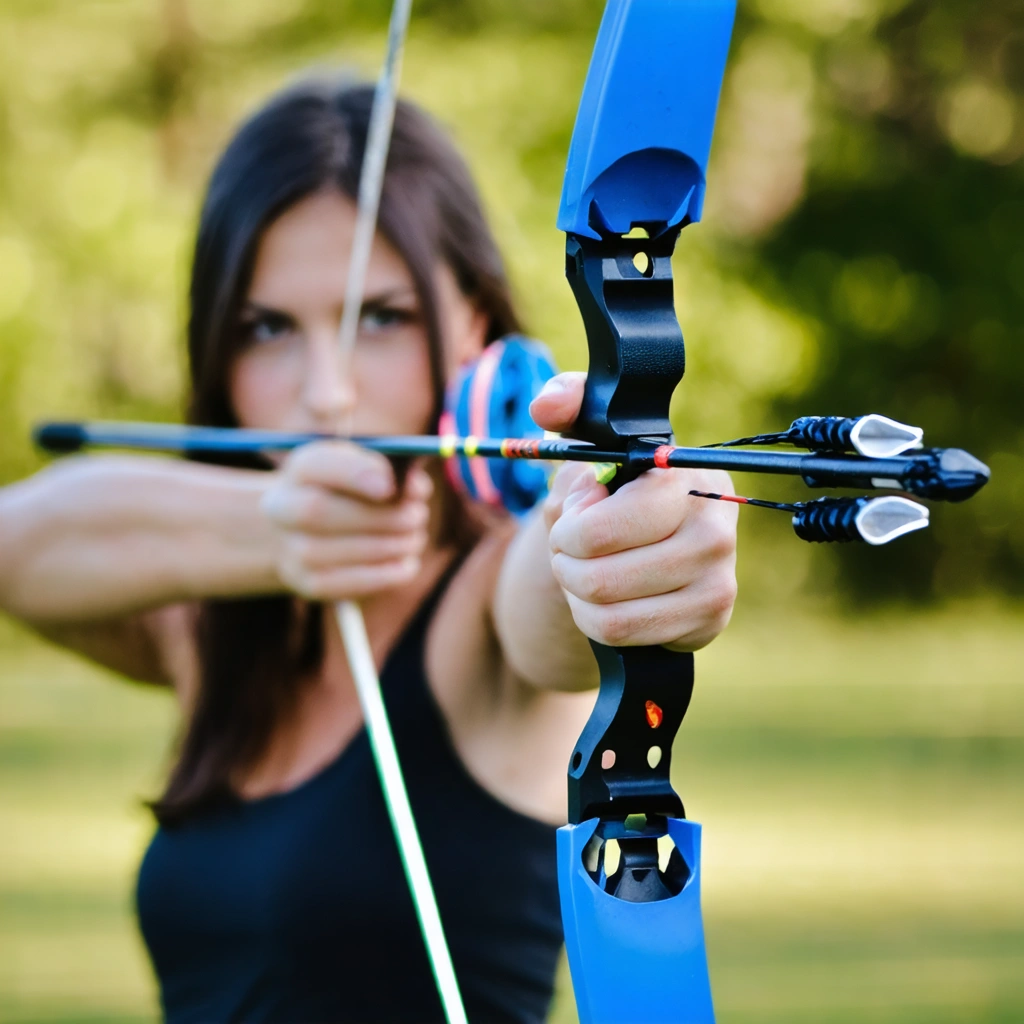
Bow Sights: How to Choose the Right One

Bow sights are aiming devices mounted to a bow that help archers align shots more consistently. The best bow sights for you depend on pin count, adjustability, weight, and low-light visibility.

A cold October sit in Michigan can expose a bad sight fast. If the pins blur at dawn, the housing rattles on the climb, or the slider won’t hold zero after a hard bump, the wrong bow sight costs you the shot.

The real call is simple: pin count, adjustability, weight, and low-light visibility. Hunting and target archery reward different traits, and the wrong match shows up right when it matters.

Check the Price on Amazon!

Compare with our best compound bows hub and best quiver setup picks.

Quick answer: which bow sight should you buy?

If you want the shortest path to a good choice:

  • Whitetail hunting: a lightweight fixed-pin sight is usually the safest pick.
  • Western hunting or longer shots: a single-pin or slider sight gives more precision and flexibility.
  • Target archery: a more adjustable sight with fine tuning and repeatable marks is usually better.
  • Low-light hunting: prioritize bright pins, a clear housing, and good fiber-optic visibility.

If you’re building a full setup, it helps to compare the sight against the rest of your gear and shooting style. For broader setup context, see the Amazon creator commerce guide and the Amazon Attribution tracking setup.

Bow sight types

Fixed-pin sights

Fixed-pin sights are the most common hunting option. They give you multiple preset aiming points, so you can hold on the correct pin without moving the sight in the field.

Best for:

  • Tree stand hunting
  • Fast shots
  • Archers who want simple operation

Tradeoff: more pins can clutter the sight picture.

Single-pin sights

Single-pin sights use one aiming point and adjust for distance. They can be very precise, especially when you have time to range the target and dial the sight.

Best for:

  • Open-country hunting
  • Target practice
  • Archers who prefer a clean sight picture

Tradeoff: you must adjust between distances.

Slider sights

Slider sights let you move the pin or sight body to a marked distance. They’re popular with hunters who want one pin for close shots and the ability to dial farther when needed.

Best for:

  • Western hunting
  • Longer-range practice
  • Archers who want flexibility

Tradeoff: they add complexity and can be slower under pressure.

What matters most in a bow sight

Pin count

More pins can help you cover more distances without adjusting the sight. Fewer pins keep the sight picture cleaner.

Choose more pins if you:

  • shoot in varied terrain
  • want instant hold points
  • prefer not to dial in the field

Choose fewer pins if you:

  • want a simpler sight picture
  • shoot mostly one or two distances
  • value clarity over options

Adjustability

Adjustability matters when you need to fine-tune for distance, windage, or elevation. A sight that holds zero well is more important than one with extra features you won’t use.

Weight and durability

A sight that is too heavy can change how a bow balances. For hunting, lighter is often better as long as the sight stays solid and repeatable.

Low-light visibility

Dawn and dusk are where many hunts happen. Bright fiber optics, clean pin alignment, and a housing that doesn’t disappear in shadow can make a real difference.

Comparison table: fixed-pin vs single-pin vs slider

Sight type Best for Strengths Tradeoffs CTA
Fixed-pin Hunting Fast, simple, reliable Can feel crowded Shop Now
Single-pin Precision Clean sight picture, accurate dialing Slower to adjust Shop Now
Slider Versatility Good for varied distances More moving parts Shop Now

How to choose the best bow sights for your setup

Choose a fixed-pin sight if…

  • you hunt whitetails from a stand
  • you want speed over adjustment
  • you prefer a simple, proven setup

Choose a single-pin sight if…

  • you like a clean sight picture
  • you shoot known distances
  • you’re comfortable dialing before the shot

Choose a slider sight if…

  • you hunt open terrain
  • you want one sight for close and longer shots
  • you’re willing to practice with the adjustment system

Setup and tuning basics

A good sight still needs a good setup. Before you trust it in the field:

  1. Mount the sight securely.
  2. Level the bow and sight.
  3. Set your first pin or slider mark at a known distance.
  4. Shoot groups and confirm impact.
  5. Recheck after transport, bumps, or weather changes.

If you’re comparing gear across a broader archery workflow, the creator outreach templates and external traffic for Amazon brands pages show how structured systems improve consistency across channels.

Common mistakes to avoid

  • Choosing too many pins for your hunting style
  • Buying a sight that is heavy but not durable
  • Ignoring low-light performance
  • Failing to confirm zero after installation
  • Picking features you won’t actually use

FAQ

What is the best bow sight for hunting?

The best bow sight for hunting is usually a lightweight fixed-pin sight or a slider sight, depending on how far you shoot and how much adjustment you want.

How many pins should a bow sight have?

Most hunters do well with 3 to 5 pins. Fewer pins keep the sight picture cleaner, while more pins give you more preset distances.

Are single-pin bow sights good for hunting?

Yes, single-pin bow sights can be excellent for hunting if you have time to range and dial the distance before the shot.

What is better: fixed-pin or slider bow sights?

Fixed-pin sights are faster and simpler. Slider sights are more flexible and better for varying distances, but they require more setup and practice.

What should I look for in low-light bow sights?

Look for bright fiber optics, a clear housing, and pins that stay visible at dawn and dusk without washing out.

Final take

The best bow sights are the ones that match your hunting style, distance range, and tolerance for adjustment. Start with the simplest sight that still gives you the visibility and precision you need.

Why You Should Trust Bow Advice's Reviews

You might be wondering, "How do I know these reviews are legit?"

Fair question, and here's why you can trust our process:

We Test Products Ourselves

Our team puts products to the test, using them in real-life situations to give you the most accurate feedback possible. This hands-on experience means we’re giving you insights based on how products actually perform, not just how they’re advertised.

We Gather Feedback From Real Customers

We don’t just rely on our own opinions. We also listen to the experiences of real-life customers. Their feedback helps us see how products hold up over time and in various situations.

We Analyze Amazon Reviews

With thousands of reviews available on Amazon, we sift through customer feedback to identify consistent trends. This helps us identify what users love—and what they don’t—about each product.

We Dive Into Online Communities

We pay attention to what people are saying on platforms like Reddit, where real users share their honest opinions. These candid discussions provide additional insights that we incorporate into our reviews.

Learn more about Bow Advice.

Related Posts See All

Check Out Our Buying Guides See All

Bows for Archery

Best Bows for Archery