Buying guide

Best Quiver for Bowhunting: Quiet, Secure Picks

Compare the best quiver options for bowhunting, including quiet hooded, detachable, and back quivers, with fit, balance, and broadhead protection in mind.

Updated July 12, 2026 3 products reviewed By Jake Morrison

We compare manufacturer specs, owner feedback, and real-world usability — then rank by value for your use case.

$0 accepted from brands.We buy every product at retail.
6 wks minimum test periodbefore we publish a score.
3 shooters of different levelstest every bow we review.
1 yr re-test cycle. Scores areupdated, not abandoned.

Bow Advice participates in the Amazon Associates program and other affiliate programs. We may earn from qualifying purchases at no extra cost to you. This does not affect our reviews or editorial decisions. Learn more.

Editor's picks

Our top picks in this guide

At a glance

Side-by-side comparison

Bow Price Score Weight IBO Draw wt Draw len ATA Brace Best for Stock

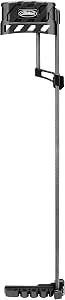
TightSpot 5-Arrow Quiver Top pick

Best Overall

5 arrows Shop Now
5 arrows Shop Now
2.5 arrows Shop Now

Our standards

Why trust BowAdvice?

Research-first

We start with manufacturer specs, owner manuals, and published adjustability ranges — not marketing copy.

Hands-on criteria

When we test in-house, bows go through fit checks, tuning time, and shootability before they earn a score.

Owner feedback

We weigh recurring owner complaints and praise from forums, retailers, and long-term users.

Manufacturer specs

IBO speed, draw weight, draw length, and weight come from published spec sheets unless we measured otherwise.

Transparent scoring

Editor scores reflect value for the stated use case — not who paid us. We buy at retail when we test.

$0

accepted from brands.
We buy every product at retail.

6 wks

minimum test period
before we publish a score.

3

shooters of different levels
test every bow we review.

1 yr

re-test cycle. Scores are
updated, not abandoned. Methodology →

Need help deciding?

Find your bow in 30 seconds

Answer a few questions and we'll point you at the best pick in this guide.

What will you use the bow for most?

Full rankings

Every pick, ranked

TightSpot 5-Arrow Quiver Best Overall

Pick 01

Best Overall: TightSpot 5-Arrow Quiver

TightSpot 5-Arrow Quiver is the best overall bow because hooded, bow-mounted

Hooded, bow-mounted

Pros

  • You want: 5 arrows

Who should buy it

  • You want: 5 arrows

Key specs

Weight
IBO speed
Draw weight
Draw length
Axle-to-axle
Brace height

Why we picked it

Hooded, bow-mounted

Bottom line

Hooded, bow-mounted

Best Overall vs Best Premium

Best Overall

TightSpot 5-Arrow Quiver

Hooded, bow-mounted

Best for: 5 arrows

Shop Now Full pick →

Best Premium

TightSpot Pivot 2.5 Quiver

Premium detachable-style mount

Best for: 2.5 arrows

Shop Now Full pick →
Trophy Ridge 5-Spot Quiver Best Budget

Pick 02

Best Budget: Trophy Ridge 5-Spot Quiver

Trophy Ridge 5-Spot Quiver is the best budget bow because bow-mounted

Bow-mounted

Pros

  • You want: 5 arrows

Who should buy it

  • You want: 5 arrows

Key specs

Weight
IBO speed
Draw weight
Draw length
Axle-to-axle
Brace height

Why we picked it

Bow-mounted

Bottom line

Bow-mounted

TightSpot Pivot 2.5 Quiver Best Premium

Pick 03

Best Premium: TightSpot Pivot 2.5 Quiver

TightSpot Pivot 2.5 Quiver is the best premium bow because premium detachable-style mount

Premium detachable-style mount

Pros

  • You want: 2.5 arrows

Who should buy it

  • You want: 2.5 arrows

Key specs

Weight
IBO speed
Draw weight
Draw length
Axle-to-axle
Brace height

Why we picked it

Premium detachable-style mount

Bottom line

Premium detachable-style mount

Buying guide

How to choose the right bow

Introduction

On a cold October morning in a Michigan tree stand, a loose arrow can tap the riser like a dinner bell. A rattling hood can do the same thing, only louder.

Quiver: A bow accessory that holds arrows on the bow or on the archer’s body for transport and quick access. In bowhunting, the right quiver should stay quiet, hold broadheads securely, and avoid throwing off balance.
Related concepts: bow quiver, hooded quiver, detachable quiver, back quiver, arrow gripper, quiver mount.

That’s the whole buying job: quiet, light, secure, and fit for your bow type. A fixed-blade broadhead raises the bar fast, and tree stand hunting punishes sloppy mounts. If you want a starting point for full rig planning, see /full-setups/ and /full-setups/hunting-bow-setups/.

Why the Best Quiver Matters in the Field

A quiver changes how the bow feels before you ever draw. It adds weight, shifts balance, and gives noise a place to hide. That matters whether you’re climbing into a stand, still-hunting a fence line, or easing through brush before first light.

A bow-mounted quiver also changes how fast you can settle in for a shot. Some hunters like the arrows on the bow because they’re always there. Others want the bow lighter and cleaner in hand. Both camps make sense, but the wrong setup gets annoying fast.

Here’s the trap: a quiver can look fine on paper and still rattle once fixed-blade broadheads are installed. Tree-stand hunters usually care most about silence and security. Spot-and-stalk hunters often care more about bulk and snag resistance. If you’re building a full rig, the accessory stack matters just as much as the bow itself, so keep /full-setups/bow-accessory-setups/ handy.

Myth vs reality: Any quiver that holds arrows is good enough for hunting.
Reality: if it buzzes, shifts, or hits your broadheads, it’s not good enough.

Next, it helps to see how the main quiver styles differ before you buy.

Best Quiver Picks for Bowhunting

Product Weight Arrow Capacity Mounting Style Noise Control Features
TightSpot 5-Arrow Quiver Lightweight 5 arrows Hooded, bow-mounted Strong grippers, quiet hood, secure fit
Trophy Ridge 5-Spot Quiver Moderate 5 arrows Bow-mounted Basic dampening, dependable retention
TightSpot Pivot 2.5 Quiver Lightweight 2.5 arrows Premium detachable-style mount Adjustable bracket, broadhead-safe hood
Kwikee Kwiver Moderate Varies by model Traditional bow quiver Simple retention, proven design

If you already know your setup, jump straight to the pick that fits your bow.

How We Chose

What We Tested For

We looked at noise on the draw and while walking, arrow retention on steep climbs, broadhead clearance, and balance on both compound bow and recurve bow setups. Those four checks cover most of what fails in the field.

A quiver that passes on the bench can still get loud once you climb into a stand with gloves on. That’s why we cared about how it behaved in cold weather, brush, and real movement.

Myth vs reality: Brand name alone tells you which quiver is best.
Reality: fit, hood shape, and mount security matter more than the logo.

Sources and Fit Checks

We used manufacturer specs, user feedback, and fit checks against common bow styles. We also checked how each quiver handled the same broadheads hunters actually carry.

That last part matters. A broadhead-safe hood on one bow can still hit the blades on another. Exact model fit changes the result more than most buyers expect.

Before you buy, check your bow model against the quiver attachment types and your own arrow setup. If you’re still choosing a bow, these guides help: /bows/compound-bows/best-hunting-compound-bows/ and /bows/recurve-bows/best-recurve-bows/.

What Actually Matters

Worth Paying For

Quiet hood materials are worth the money. So are strong retention, a stable quiver mount, and enough broadhead clearance to keep fixed-blade tips from touching.

A hunter who walks through brush and climbs into a stand will notice those details every hunt. The quiver either disappears into the rig or keeps reminding you it’s there.

Overrated Features

Fancy styling doesn’t help if the quiver still clacks against the riser. Extra arrow slots sound nice, but most hunters won’t use them.

Universal fit claims are the biggest red flag. Compound bow and recurve bow setups don’t always want the same thing, and the wrong promise can waste your money.

Myth vs reality: More arrow capacity is always better.
Reality: more capacity often means more bulk, and bulk is what you feel in the woods.

Gimmicks to Skip

Skip overbuilt add-ons that add weight without solving noise. Skip weak quick-release systems that feel clever in the store and sloppy on the trail.

Noise claims mean nothing if retention is poor. A lightweight quiver should stay light and stay locked down.

Next, I’ll call out the mistakes I see hunters make most often.

Common Seller Objections

Buying a quiver that is quiet on paper but rattles once broadheads are installed

Quiet claims don’t matter if the hood or gripper buzzes with real arrows. Fixed-blade broadhead shape changes the fit, and that’s where a lot of “silent” quivers fall apart.

A hunter tests a quiver in the shop with field points, then hears it rattle the first time fixed blades go in. That’s the mistake this objection prevents.

Quotable insight: Quiet in the store means nothing if the broadheads change the tune in the woods.

Choosing a quiver that adds too much weight to the front of the bow

Front-heavy setups feel sluggish. That matters more on long sits and long walks than most buyers admit.

A hunter notices the bow feels nose-heavy after adding a bulky quiver. That can change how steady the bow feels at full draw.

Quotable insight: If the bow feels like a shovel, the quiver’s too much.

Ignoring whether the quiver fits fixed-blade broadheads without contact

Hood depth and clearance matter. Blade contact creates noise and can damage your heads.

A hunter uses fixed blades for deer season and finds the hood presses the blades. That’s a bad fit, not a minor annoyance.

Quotable insight: If the hood touches the blades, the quiver failed before opening day.

Picking a quiver that is easy to remove but not secure enough for rough walks to the stand

Fast removal is useless if the quiver loosens in the field. Secure mount matters on climbs and brushy hikes.

A hunter likes the quick detach feature until the quiver starts shifting on the walk in. That’s a bad trade.

Quotable insight: Easy off doesn’t help if it walks loose before you reach the stand.

Assuming every quiver works equally well on compound bows and recurves

Mounting and balance needs differ by bow type. Recurves usually reward simpler, lighter setups.

A recurve hunter tries a bulky bow-mounted quiver and hates the extra bulk. A simpler setup would have made more sense.

Quotable insight: One quiver doesn’t fit every bow the same way.

If one of these objections sounds familiar, the next section will probably save you money.

Which Quiver Is Right for You?

If you hunt from a tree stand and want the quietest setup

Choose a hooded quiver with strong arrow retention. Prioritize low rattle and a secure mount.

A whitetail hunter climbs in before daylight and sits still for hours. Quiet matters more than shaving a few ounces.

Best fit: Hooded quiver, especially with an arrow gripper and a broadhead-safe hood.

If you want the lightest possible setup for spot-and-stalk or traditional archery

Choose a compact detachable or back-style quiver. Keep bulk and front weight down.

A traditional archer hiking ridgelines wants less bulk on the bow and more freedom in the hand. Light and simple wins here.

Best fit: Detachable quiver or back quiver, depending on your carry style.

If you shoot a compound bow with fixed-blade broadheads

Choose a quiver with enough hood depth and broadhead clearance. Make sure the mount stays tight under movement.

A compound hunter wants the blades protected and the bow balanced. That means fit matters more than looks.

Best fit: Hooded quiver with a broadhead-safe hood.

If you shoot a recurve and value simplicity

Choose a quiver that mounts cleanly without adding bulk. Keep the setup simple and quiet.

A recurve hunter wants the bow to stay clean and easy to handle. A simple quiver usually beats a bulky one.

Best fit: Traditional bow quiver or a light arrow quiver.

If you want the best all-around option for most bowhunters

Choose a lightweight hooded quiver with a secure mount and low rattle. That’s the safest default for most buyers.

A hunter who does a little of everything wants one quiver that won’t be annoying in the woods. This is the balanced answer.

Best fit: Lightweight hooded quiver.

If you know your hunting style, the right quiver gets obvious fast.

Hooded Quiver vs Detachable Quiver vs Back Quiver

Style Best Use Case Noise Level Arrow Capacity
Hooded quiver Tree-stand hunting, fixed-blade broadheads Lowest when fitted well Usually 3 to 5 arrows
Detachable quiver Hunters who remove the quiver at the stand or truck Low to moderate Usually 3 to 5 arrows
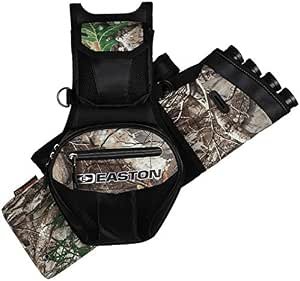
Back quiver Traditional archery, lighter carry Moderate to higher Varies widely

A tree-stand hunter usually wants the quietest bow-mounted option. A traditional archer may prefer a back quiver for simplicity and mobility.

Hooded quivers

Hooded quivers are the best bet for quiet hunting and broadhead protection. They’re usually the safest choice for tree-stand use.

A hunter wants the arrows protected and the bow quiet on the climb. Hooded quivers usually handle that best.

Detachable quivers

Detachable quivers are best for hunters who want to remove the quiver at the stand or truck. They can be lighter and more flexible, but fit and security matter.

A hunter likes to remove the quiver before the shot. That can work well if the mount is still solid on the walk in.

Back quivers

Back quivers are best for traditional archery and lighter carry. They’re not usually the quietest or most secure option for modern bowhunting.

A recurve archer may like the feel of a back quiver for simple carry. For deer hunting, though, it’s often more about style than silence.

Myth vs reality: Back quivers are always better for hunting.
Reality: they make more sense for traditional carry than for quiet deer hunting.

Quiet in the Woods

Noise usually comes from three places: loose mounts, broadhead contact, and poor arrow retention. Hood design and inserts help, but they don’t fix a sloppy fit.

A quiver can sound fine in the garage and still rattle in the woods once the temperature drops. That tiny buzz gets louder when you’re already trying to stay still in a tree stand.

What causes quiver noise

Loose quiver mounts are the biggest offender. If the mount shifts, everything else gets louder.

Broadhead-safe hood problems come next. If the blades touch plastic or rubber, you’ll hear it.

Poor arrow grippers finish the job. If the arrows move, the quiver talks.

How to test quietness before hunting season

Shake the bow with arrows installed. Then walk, climb, and hold at full draw in boots and gloves.

Check for blade contact and hood buzz. That’s the real test, not the one you do at the counter.

If it passes the noise test, it’s worth keeping on the shortlist.

Product Comparisons

Hooded quiver vs detachable quiver

Hooded quivers usually win for quiet and broadhead protection. Detachable quivers usually win for quick removal and flexibility.

A tree-stand hunter may prefer hooded because it stays put and stays quiet. A hunter who removes the quiver before the shot may like detachable better.

Compound bow quiver vs recurve bow quiver

Compound setups usually tolerate more structure. Recurve setups usually reward simplicity and lower bulk.

A compound hunter can run a more structured hooded setup, while a recurve hunter often wants the lightest cleanest mount possible.

Myth vs reality: The same quiver works equally well on both bow types.
Reality: balance and mounting needs change with the bow.

Bow-mounted quiver vs back quiver

Bow-mounted quivers usually win for hunting. Back quivers can still make sense for traditional carry and target use.

A hunter wants arrows ready on the bow, not behind the shoulder. That’s why bow-mounted quivers dominate in the field.

Myth vs reality: Back quivers are the best choice for deer hunting.
Reality: they’re usually a carry preference, not the quietest hunting answer.

If you still want a different carry method, there are alternatives worth considering.

Alternatives to a Bow-Mounted Quiver

Arrow tube for transport

An arrow tube is best for safe carrying in the truck or to the range. It’s not a hunting quiver replacement.

A hunter uses an arrow tube to keep broadheads protected on the drive, then moves arrows to the quiver before the hunt.

Bow case with arrow storage

A bow case with arrow storage is good for travel and protection. It’s not ideal for quick access in the woods.

A hunter traveling to camp wants everything protected in one case. That’s different from a quiver built for the stand.

Back quiver for traditional archery

A back quiver is best for traditional style and simple carry. It’s less ideal for modern bowhunting noise control.

A traditional archer likes the feel and simplicity of a back quiver on the range. For deer hunting, the tradeoffs get bigger.

Hip quiver for target practice

A hip quiver is great for range sessions. It’s not a hunting solution.

A shooter wants arrows easy to grab at the range, but wouldn’t carry that setup into the woods.

Brand Guide

TightSpot

TightSpot is known for strong fit, quiet carry, and a premium feel. It’s often a top choice for serious bowhunters.

A hunter who wants a refined setup usually ends up looking at TightSpot first. That’s especially true for hooded quiver buyers.

Trophy Ridge

Trophy Ridge has a strong budget-friendly reputation. It’s a good fit for hunters who want value without overpaying.

A new bowhunter wants a dependable quiver for deer season without a premium price tag. That’s where Trophy Ridge makes sense.

Kwikee Kwiver

Kwikee Kwiver is a long-running traditional name. It’s simple, proven, and practical.

A hunter who likes simple gear may prefer a familiar, no-nonsense quiver. Old-school doesn’t mean outdated if it still works in the woods.

Easton, Bee Stinger, Hoyt, Mathews, Bear Archery, Black Gold

These names matter because they shape fit and ecosystem choices. If you already own a Hoyt, Mathews, or Bear Archery bow, accessory compatibility can narrow the search fast.

Easton and Bee Stinger show up more often in accessory conversations, while Black Gold is another brand hunters often trust for bow setup decisions. Brand matters, but the exact mount and hood matter more.

Materials and Features Guide

Carbon construction vs aluminum construction

Carbon can save weight. Aluminum can feel durable and familiar.

The better choice depends on balance and price. A hunter who hikes a lot may care about weight more than finish, while another may prefer the feel of aluminum if it stays quiet and stable.

Myth vs reality: Lighter always means better.
Reality: the best material is the one that fits your bow and your hunt.

Rubber arrow grippers and noise-dampening inserts

These features help reduce rattle. They matter more than flashy styling.

A quiver with good grippers can stay silent on the walk in, even when the temperature drops. That’s the kind of detail that pays off in the woods.

Hooded design, broadhead-safe hood, and fixed-blade clearance

Hood depth and shape matter for broadhead protection. Fixed-blade clearance is a must for many hunters.

A hunter using fixed blades in deer season needs the hood to protect the blades without touching them. That’s a real-world fit check, not a luxury detail.

Myth vs reality: Any hooded quiver protects every broadhead the same way.
Reality: hood shape and depth change the fit.

FAQ

What is a quiver on a bow?

A quiver is the accessory that holds arrows on the bow or on the archer’s body. In bowhunting, it’s mainly there for transport, protection, and quick access.

A bow quiver or arrow quiver keeps broadheads close and ready. For hunting, that usually beats carrying loose arrows in the field.

What is the difference between a bow quiver and a back quiver?

A bow quiver mounts to the bow. A back quiver rides on the archer’s body.

For bowhunting, bow-mounted options usually make more sense because they keep arrows ready and protected. A back quiver still has a place in traditional archery, but it’s not usually the quietest hunting choice.

Should I use a quiver for hunting or leave arrows off the bow?

For most hunters, a quiver makes sense. It keeps arrows secure, protects broadheads, and keeps your setup organized.

Leaving arrows off can reduce weight, but you lose convenience and protection. If you hunt from a tree stand or walk through brush, a hunting quiver usually earns its keep.

What makes a quiver quiet in the woods?

A quiet quiver has a tight mount, good arrow grippers, and no broadhead contact. Hood design and noise-dampening inserts help too.

The real test is field movement. Shake it, walk with it, and climb with it before season opens.

How many arrows should a hunting quiver hold?

Most hunters do fine with 3 to 5 arrows. That gives you enough capacity without adding unnecessary bulk.

More arrows can mean more weight and more clutter. For deer hunting, cleaner usually beats fuller.

Does a quiver affect bow balance or accuracy?

Yes, it can affect balance and how the bow feels at full draw. That usually changes shooting comfort before it changes raw accuracy.

A nose-heavy bow can feel harder to hold steady. That’s why quiver weight matters, especially on a compound bow or a lighter recurve bow.

Can you use the same quiver on a compound bow and a recurve bow?

Sometimes, but not always. Fit, mount style, and balance can differ a lot between the two.

A compound bow can handle more structure. A recurve bow usually rewards a simpler, lighter setup.

What type of quiver is best for deer hunting?

A hooded quiver is usually the safest answer for deer hunting. It’s quiet, secure, and better at protecting fixed-blade broadheads.

If you hunt from a tree stand, that choice gets even stronger. Quietness and retention matter more than extra capacity.

Common questions

Frequently asked questions

Yes — if it fits you and you can tune it reliably. Most bows in this price range hit legal hunting draw weights. The bigger question is fit, quiet tuning, and whether the package accessories are good enough to get you shooting accurately before season.

Our top pick: TightSpot 5-Arrow Quiver

Hooded, bow-mounted