Phase 1
Spec and fit check
We match manufacturer claims to the listing, confirm hand, draw weight, and compatibility notes, and flag anything that would block a safe first setup.
Buyer-fit guidance (no numeric score) · how we research
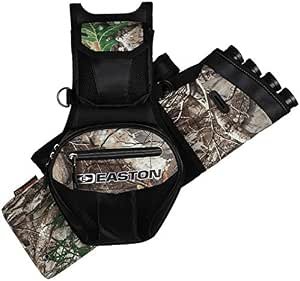
Quick verdict: I’d buy the Easton Flipside Hip Quiver 4 Tube Realtree Edge Frame if you hunt with a compound bow or recurve bow and want organized, belt-mounted carry. It’s a smart pick for archers who care more about clean arrow separation and quick access than the cheapest possible setup.
✓ Best for
The arrow separator tubes keep broadheads and field points from knocking together…
✕ Not for
It costs more than a basic pouch quiver.
As an Amazon Associate we may earn from qualifying purchases. Commissions do not change scores. Affiliate disclosure.
The 10-Second Answer
I’d buy the Easton Flipside Hip Quiver 4 Tube Realtree Edge Frame if you hunt with a compound bow or recurve bow and wan
Buyer fit
Best for: The arrow separator tubes keep broadheads and field points from knocking together…
Skip if: It costs more than a basic pouch quiver.
No numeric research score — inputs are not documented for this review. How we research
Editor's Verdict
The main win is simple: the 4-tube layout keeps arrows orderly, and the frame belt style makes the quiver feel more planted in the field. If you’re comparing it with a basic pouch quiver, this Easton setup gives you more structure and less fumbling.
The tradeoff is value. If you only need a bare-bones arrow carrier, you can spend less elsewhere. But if you want a hunting quiver that feels purpose-built, the price starts to make sense.
If you’re trying to decide whether this is the right field quiver for your setup, the verdict below gets straight to it.
— ambermitchellI like this kind of quiver because it solves a real problem, arrow chaos. If you hunt and want your gear to feel sorted instead of stuffed, the Easton Flipside makes sense.
I don’t buy the Realtree Edge finish as the main event. It helps in the field, but the carry system is what makes this quiver worth a look.
Overview
A hip quiver is a belt-mounted arrow carrier that keeps your shafts close to your side instead of on the bow or over your shoulder. The Easton Flipside Hip Quiver 4 Tube Realtree Edge Frame is built for hunters and practical field shooters who want a cleaner carry system.
The 4-tube design matters because it gives each arrow a more defined spot. That helps with quiver storage and arrow organization, especially if you carry different setups for practice and hunting.
This style is made to separate arrows cleanly, keep them easy to reach, and move better than loose carry. If you’re walking with fixed-blade broadheads, that separation can cut down on clatter and tangles.
Compared with a pouch quiver, the tube layout feels more deliberate. You give up a little simplicity, but you get a lot more order.
Realtree Edge is useful because it fits a hunting setup visually. If you’re in a blind or tree stand, a field-ready finish helps the quiver blend in instead of sticking out.
I still wouldn’t buy it for camo alone. The finish is a plus, not the reason to choose this model.
The things worth paying for are comfort, stability, and access. If the frame belt carries well and the arrows come out cleanly, the quiver is doing its job.
What’s overrated is styling that doesn’t change field use. Extra branding or a fancy finish won’t matter if the quiver bounces or feels awkward on your hip.
That’s fine if it works for you. A pouch quiver is enough for casual use, but the Easton style is a real upgrade if you hunt or move a lot.
The difference is organization. A 4-tube quiver gives you cleaner arrow storage and faster access.
That’s the big comfort question, and it’s the right one to ask. A belt-mounted quiver should stay stable while you walk, kneel, and climb into position.
If it shifts around on uneven ground, the camo finish won’t save it. Fit is the whole game here.
Mostly no, but it’s not magic either. Realtree Edge helps the quiver blend into hunting setups, but the carry system still has to do the real work.
A hunter in a blind wants gear that disappears visually and behaves quietly. This model checks the first box and works toward the second.
For hunters, yes, if you’ll use the structure. For casual shooters, maybe not.
If you’re comparing Easton with Bohning or Trophy Ridge, the right answer comes down to how much organization and stability you want.
Hunting is the stronger fit. Target shooters can use it, but the field carry and camo angle make the most sense outdoors.
If you want a quiver for both practice and season use, this is a practical middle ground.
Specs, Visualized
Summary: spec: Detail. Tube count: 4 tubes. Frame style: Belt-mounted frame. Carry style: Hip quiver. Intended use: Hunting and field carry. Best bow type: Compound bow, recurve bow
Strung length
20"
Fail any of these? Use the bow finder below →
How We Research
Summary: We verify listing specs, check owner feedback across Amazon and forums, and compare against bows and accessories we have already reviewed on Bow Advice.
Phase 1
We match manufacturer claims to the listing, confirm hand, draw weight, and compatibility notes, and flag anything that would block a safe first setup.
Phase 2
We read recent Amazon reviews and archery forum threads for repeat praise, repeat complaints, and gaps between marketing copy and real-world use.
Phase 3
We compare price, included accessories, and upgrade path against close competitors so the recommendation reflects value—not just brand loyalty.
Owner Consensus
Summary: Buyers usually care about the same three things: whether it stays comfortable, whether the arrows stay separated, and whether it feels worth the money. That lines up with what this…
Buyers usually care about the same three things: whether it stays comfortable, whether the arrows stay separated, and whether it feels worth the money. That lines up with what this model is built to do.
The praise tends to center on practical use, not flashy extras. That’s a good sign for a hunting quiver.
Common praise
Common complaints
The common forum-style take is pretty blunt, which I appreciate. People like hip quivers when they want faster access and less bulk on the bow or back.
The complaints usually come from fit expectations or price sensitivity. That’s fair, because a framed quiver is only a good buy if you actually want the structure.
If you want the specs and use case in one place, the overview below pulls it together.
I like this kind of quiver because it solves a real problem, arrow chaos. If you hunt and want your gear to feel sorted instead of stuffed, the Easton Flipside makes sense. I don’t buy the Realtree Edge finish as the main event. It helps in the field, but the…
Best for
The arrow separator tubes keep broadheads and field points from knocking together…
Not for
It costs more than a basic pouch quiver.
Check price on Amazon →Bow Finder
Pick the profile that sounds like you. We point you to a living guide — not a scored ranking of this product.
Use-case path
Look for adjustable draw weight, a shelf or rest option, and a budget that still leaves room for arrows and a target. Begin with compound vs recurve, then a starter guide.
Next read
Starter guides — not a fit scoreUse-case path
Traditional shooters often want a smooth draw and simple setup. Takedown models let you swap limbs as you progress.
Next read
Traditional guides — not a fit scoreUse-case path
Hunters usually want let-off, sights, and adjustability. Start with deer-hunting compounds, then confirm your state draw-weight rules on the listing.
Next read
Hunting guides — not a fit scoreUse-case path
Youth bows should be light enough for small frames and adjustable enough to grow into. Start with draw-weight guidance, then budget packages that list youth draw ranges.
Next read
Youth path — not a fit scoreUse-case path
Competition paths vary by league. Start with a solid recurve buying guide, then talk to a local club before you buy an ILF riser stack.
Next read
Target path — not a fit scoreUse-case path
Budget does not mean bad. Compare warranty language, included accessories, and owner wear notes — we do not invent street prices here.
Next read
Budget guides — not a fit scoreBuyer Questions
The questions real buyers ask before ordering, answered from listings, manuals, and owner-feedback patterns — not a private lab.
Check price on Amazon →It’s a belt-mounted hip quiver from Easton with four arrow tubes and a Realtree Edge finish. It’s built for organized carry, quick access, and hunting use. If you want a plain-English version, think of it as a field quiver for archers who want more structure than a basic pouch quiver.
A 4-tube quiver separates arrows into defined slots, while a pouch quiver keeps them in a softer, looser carry space. That makes the tube style better for organization and cleaner access. A pouch quiver is simpler and usually cheaper. The Easton style is better if you want more control over arrow storage and arrow organization.
It’s useful for hunting, but it’s not the main reason to buy the quiver. Realtree Edge helps the quiver blend into a blind, stand, or brushy setup. The real performance comes from the belt-mounted frame and the tube layout. Camo helps, but carry and access matter more.
It’s best for hunters, especially compound bow and recurve bow shooters who want a field quiver with organized carry. It can also work for target archers who like a belt-mounted setup. If you only want the lowest-cost option, a simpler pouch quiver may be enough. If you want a practical hunting quiver, this one fits better.
If your pouch quiver already works and you don’t hunt much, maybe not. If you want faster access, better separation, and a more stable carry, the upgrade makes sense. The biggest difference is how the arrows ride. A 4-tube quiver feels more organized in the field.
It should, as long as the fit works for your body and belt setup. Comfort depends on where it rides, how much you walk, and how the weight sits on your hip. That’s why I’d treat fit as a real buying factor, not an afterthought. A good frame belt should stay put without bouncing.
It can work for both, but hunting is the stronger use case. The tube layout and belt carry make the most sense when you need quick access in the field. For target practice, a simpler quiver may be enough. For hunting, the extra organization is easier to justify.
Easton sits in a practical middle ground. Bohning often appeals to budget buyers, while Trophy Ridge can lean more feature-heavy depending on the model. If you want a value-focused field quiver, this Easton is a strong option. If price is your only concern, Bohning may be the cheaper route.
Bowhunters get the most value, especially hunters who want organized arrow carry and a camo finish that fits the field. It’s also a good match for archers who practice with the same setup they hunt with. If you want a belt-mounted quiver that feels more deliberate than a pouch, this is the right lane. If you want the simplest possible carrier, it’s probably more quiver than you need.
The Easton Flipside Hip Quiver 4 Tube Realtree Edge Frame is a solid buy for hunters who want organized, belt-mounted arrow carry without a lot of fuss. It’s especially good if you hate loose pouches and want a quiver that feels ready for the woods.
If you’re shopping for the cheapest arrow carrier, skip it. If you want a hunting quiver that keeps arrows sorted and easy to grab, this one earns a hard look.