 Beginner takedown
Black Hunter Takedown Longbow Review: Beginner Fit
Best for: First traditional buyers wanting a takedown longbow
Buying guide
For traditional buyers: choose takedown vs one-piece needs, confirm draw weight and length on the listing, then read the matching review before you buy.
We compare manufacturer specs, owner feedback, and real-world usability — then rank by value for your use case.
Jump to
Bow Advice participates in the Amazon Associates program and other affiliate programs. We may earn from qualifying purchases at no extra cost to you. This does not affect our reviews or editorial decisions. Learn more.
Model shortlist
Beginner takedown
Best for: First traditional buyers wanting a takedown longbow
 Budget takedown
Best for: Shoppers comparing a lower-cost 60" takedown
 68" traditional
Best for: Adults wanting a longer SAS longbow we reviewed
 Budget practice
Best for: Budget practice / outdoor traditional shooting
At a glance
Black Hunter Takedown Longbow Review: Beginner Fit Beginner takedown
Beginner takedown
Topbows 60-Inch Takedown Longbow Review: Is It Worth It?
Budget takedown
SAS Pioneer 68-Inch Longbow Review: Is It Worth It?
68" traditional
PMZ Archery Longbow Review: Budget Takedown Bow
Budget practice
Sanlida Royal X8 Longbow Review: 68-Inch Kit Tested
Kit-style option
Our standards
We start with manufacturer specs, owner manuals, and published adjustability ranges — not marketing slogans.
Scores answer who the product is for and who should skip it. We do not invent chronograph or range hours.
We weigh recurring owner complaints and praise from retailers, forums, and long-term users when available.
IBO speed, draw weight, draw length, and mass weight come from published listings unless a review explicitly records a measured value.
We match products to the stated use case. Brands cannot pay for placement. Method: /how-we-test/.
Need help deciding?
Answer a few questions and we'll point you at the best pick in this guide.
What will you use the bow for most?
Do you need wide draw-length adjustability?
Is budget your top priority?
Do you want a ready-to-shoot package?
Our recommendation
Full rankings
Beginner takedown
Pick 01
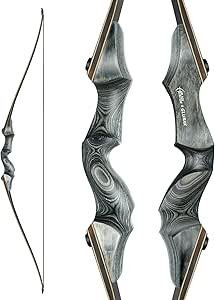
Black Hunter Takedown Longbow Review: Beginner Fit is the beginner takedown bow because yes, with a condition. The **Black Hunter Takedown Longbow, GLURAK 60 inch bow** makes sense if you want a simple traditional bow, a wooden feel, and a takedown…
Yes, with a condition. The **Black Hunter Takedown Longbow, GLURAK 60 inch bow** makes sense if you want a simple traditional bow, a wooden feel, and a takedown design that’s easier to store and travel with.
Yes, with a condition. The **Black Hunter Takedown Longbow, GLURAK 60 inch bow** makes sense if you want a simple traditional bow, a wooden feel, and a takedown design that’s easier to store and travel with.
Yes, with a condition. The **Black Hunter Takedown Longbow, GLURAK 60 inch bow** makes sense if you want a simple traditional bow, a wooden feel, and a takedown design that’s easier to store and travel with.
Beginner takedown
Yes, with a condition. The **Black Hunter Takedown Longbow, GLURAK 60 inch bow** makes sense if you want a simple traditional bow,…
Best for: First traditional buyers wanting a takedown longbow
Shop Now Full pick →
68" traditional
I’d call the SAS Pioneer a conditional buy. It makes sense for beginner traditional archers, casual target shooters, and light-hunting buyers who…
Best for: Adults wanting a longer SAS longbow we reviewed
Shop Now Full pick →
Budget takedown
Pick 02
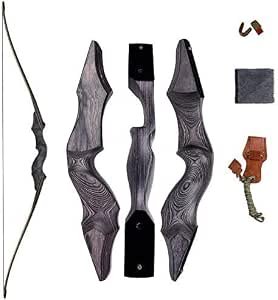
Topbows 60-Inch Takedown Longbow Review: Is It Worth It? is the budget takedown bow because the Topbows 60-inch takedown longbow makes the most sense for beginners and budget-minded traditional archers. It’s also a decent fit if you want a travel-friendly wood longbow package…
The Topbows 60-inch takedown longbow makes the most sense for beginners and budget-minded traditional archers. It’s also a decent fit if you want a travel-friendly wood longbow package without building a kit from scratch.
A weekend shooter can keep this in a case, string it at the range, and skip a separate accessory run. That’s where the package earns its keep.
A buyer expecting compound-bow forgiveness will get frustrated fast. This bow asks for cleaner form and better arrow matching, which is normal for traditional archery but still worth saying out loud.
The Topbows 60-inch takedown longbow makes the most sense for beginners and budget-minded traditional archers. It’s also a decent fit if you want a travel-friendly wood longbow package without building a kit from scratch.
The Topbows 60-inch takedown longbow makes the most sense for beginners and budget-minded traditional archers. It’s also a decent fit if you want a travel-friendly wood longbow package without building a kit from scratch.
68" traditional
Pick 03
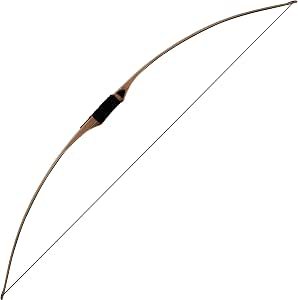
SAS Pioneer 68-Inch Longbow Review: Is It Worth It? is the 68" traditional bow because i’d call the SAS Pioneer a conditional buy. It makes sense for beginner traditional archers, casual target shooters, and light-hunting buyers who want a classic wood longbow without…
I’d call the SAS Pioneer a conditional buy. It makes sense for beginner traditional archers, casual target shooters, and light-hunting buyers who want a classic wood longbow without extra clutter.
The biggest win is simplicity. A wood riser, limbs, and bow string give you the traditional feel people want from a longbow, without a bunch of parts to tune.
The 68 inch profile helps the bow feel smoother through the draw. That matters if you’re working on form, because a steadier bow makes it easier to repeat the same shot.
I also like the right-hand and left-hand options. That sounds basic, but it saves buyers from the most annoying beginner mistake in archery.
For a shooter moving over from a sighted recurve, the SAS Pioneer can feel refreshingly stripped down. You focus on stance, anchor, and release instead of hardware.
The upside is clear, but the tradeoffs matter just as much.
This isn’t a compound bow in disguise. You don’t get the same speed, forgiveness, or accessory support, and you shouldn’t expect it to behave that way.
Draw weight matters a lot here. If you pick too much poundage, the bow stops being fun fast, especially for a first traditional bow.
Hunting use is also limited by reality, not marketing. You need the right draw weight, legal compliance in your area, and a range you can actually shoot well.
You’ll still need basics like a finger tab and arm guard. A budget longbow doesn’t remove those needs, it just keeps the bow itself simple.
Before you buy, make sure the setup matches your hand, strength, and shooting goals.
I’d call the SAS Pioneer a conditional buy. It makes sense for beginner traditional archers, casual target shooters, and light-hunting buyers who want a classic wood longbow without extra clutter.
I’d call the SAS Pioneer a conditional buy. It makes sense for beginner traditional archers, casual target shooters, and light-hunting buyers who want a classic wood longbow without extra clutter.
Budget practice
Pick 04
PMZ Archery Longbow Review: Budget Takedown Bow is the budget practice bow because **Buy it if** you want a low-cost entry into traditional archery, already know your draw weight, and like a takedown longbow for practice or light bowhunting. It's also…
**Buy it if** you want a low-cost entry into traditional archery, already know your draw weight, and like a takedown longbow for practice or light bowhunting. It's also a decent truck bow, cabin bow, or backyard shooter who doesn't want to baby expensive gear.
A one-piece longbow usually wins on elegance. This PMZ model wins on convenience, especially if you keep gear in a truck, cabin, or small closet.
If a bow arrives with uneven limb seating or a string that doesn't feel right, catch it early. That matters more than product photos.
**Buy it if** you want a low-cost entry into traditional archery, already know your draw weight, and like a takedown longbow for practice or light bowhunting. It's also a decent truck bow, cabin bow, or backyard shooter who doesn't want to baby expensive gear.
**Buy it if** you want a low-cost entry into traditional archery, already know your draw weight, and like a takedown longbow for practice or light bowhunting. It's also a decent truck bow, cabin bow, or backyard shooter who doesn't want to baby expensive gear.
Kit-style option
Pick 05
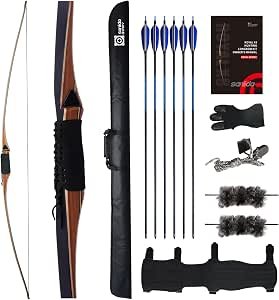
Sanlida Royal X8 Longbow Review: 68-Inch Kit Tested is the kit-style option bow because **Maybe buy. ** The Sanlida Royal X8 fits right-handed traditional archers who want a complete wood longbow kit in that budget band (confirm live listing price).
**Maybe buy. ** The Sanlida Royal X8 fits right-handed traditional archers who want a complete wood longbow kit in that budget band (confirm live listing price).
One box covers bow, Flemish D97 string, horse hair rest, dampers, six carbon arrows, stringer, arm guard, finger glove, bow bag, and manual. Strong value for RH shooters who want traditional feel in that budget band (confirm live listing price).
Maple core fiberglass laminate limbs run 30 to 65 lb at 28-inch draw in 5 lb steps.
Grip and balance felt natural on a damp stand morning.
The 68 inch AMO length suits classic longbow draw cycles for whitetail ranges. Quiet when brace height sits in the 7 to 8 inch window.
A 68 inch one-piece bow doesn't break down for travel. RH only. No ILF upgrade path or sight mounts.
First-time buyers often over-order 45 lb and shake through form in a stand. GLURAK takedown wins when limb swaps and packability matter more.
Included arrows need spine check and broadhead tuning before hunting. Use the included stringer on laminated limbs. Unstring after wet or cold sessions.
**Maybe buy. ** The Sanlida Royal X8 fits right-handed traditional archers who want a complete wood longbow kit in that budget band (confirm live listing price).
**Maybe buy. ** The Sanlida Royal X8 fits right-handed traditional archers who want a complete wood longbow kit in that budget band (confirm live listing price).
Buying guide
Who this page is for: beginners and traditional buyers comparing longbows we already reviewed. Not a prestige brand ranking; no invented chronograph or ownership stories.
How to use it: match use case (beginner takedown, budget takedown, longer traditional, practice, or kit), then confirm draw weight and length on the current listing.
1) Match takedown vs length needs. 2) Read buy/skip notes. 3) Confirm draw on the listing. 4) Compare with recurve options if you want a shelf/rest path. Method: how we research.
Common questions
Yes — if it fits you and you can tune it reliably. Most bows in this price range hit legal hunting draw weights. The bigger question is fit, quiet tuning, and whether the package accessories are good enough to get you shooting accurately before season.
Used can save money, but beginners often pay in tuning time and unknown wear. A new budget bow with wide adjustability is usually the safer first buy because you can grow into it and know the string/cable history.
Start lower than you think — often 40–50 lbs for adults learning form. You can increase draw weight as your shot process improves. Adjustability matters more than peak weight for your first compound.
A well-maintained compound bow often lasts 10–20 years. Strings and cables need replacement every 2–3 years of regular use. Budget bows can last just as long as premium models if you keep up with maintenance.
Several picks in this guide advertise no-press maintenance for basic setup. You still need proper tuning knowledge or a shop for major work — but beginner-friendly designs reduce early frustration.
Yes, with a condition. The **Black Hunter Takedown Longbow, GLURAK 60 inch bow** makes sense if you want a simple traditional bow, a wooden feel, and a takedown design that’s easier to store and travel with.