Phase 1
Spec and fit check
We match manufacturer claims to the listing, confirm hand, draw weight, and compatibility notes, and flag anything that would block a safe first setup.
Buyer-fit guidance (no numeric score) · how we research
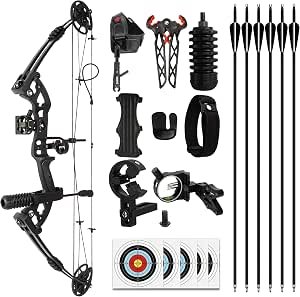
Quick verdict: If you want one purchase that gets you shooting fast, this **Compound Bow Kit Adjustable for Outdoor Use & Target Practice, 30-70lbs Archery Set with Carbon Arrows and Accessories** makes sense. If you already own a sight, release aid, or decent arrows, you may be paying for duplicates.
✓ Best for
Archery shoppers comparing this product
✕ Not for
Buyers who need a different platform or budget tier
As an Amazon Associate we may earn from qualifying purchases. Commissions do not change scores. Affiliate disclosure.
The 10-Second Answer
If you want one purchase that gets you shooting fast, this **Compound Bow Kit Adjustable for Outdoor Use & Target Practi
Buyer fit
Best for: Archery shoppers comparing this product
Skip if: Buyers who need a different platform or budget tier
No numeric research score — inputs are not documented for this review. How we research
Editor's Verdict
My take is simple: the value lives or dies on fit and accessory quality, not the size of the bundle. A 30 to 70 lb range sounds flexible, but the real win is whether the draw length matches your body and the included carbon arrows are actually usable.
Verdict box
Best for: beginner archers, backyard shooters, and anyone building a first target setup
Not for: buyers who already have a tuned bow and accessories, or anyone chasing premium performance on day one
Bottom line: a practical starter archery kit if you want a complete setup and don’t mind checking a few details before the first shot
A backyard shooter in Michigan who wants to practice on weekends could get solid value here. A buyer who wants a bare compound bow and plans to choose a better sight and release later may do better with a separate build.
Myth vs reality: more included parts doesn’t always mean better value. A cleaner package with better core gear often beats a crowded box of filler accessories.
If the verdict feels close, the specs table will tell you whether it fits your draw and goals.
— ambermitchellI’d call this a practical starter package, not a premium bow build. It’s the kind of setup that can get a backyard shooter started, but I’d still check the bow sight, release aid, and arrow match before the first real session.
The biggest question is whether the draw length and draw weight fit the shooter. If they do, the bow can be a solid practice tool. If they don’t, the bundle turns into a tuning project fast.
Overview
| Spec | What to know |
|---|---|
| Draw weight | Adjustable from 30 to 70 lbs |
| Draw length | Adjustable, but you still need to confirm your fit |
| Included accessories | Usually includes sight, rest, quiver, peep sight, stabilizer, and release aid |
| Arrow type | Carbon arrows |
| Bow type | Compound bow with cam system and let-off |
Thirty to 70 lbs means the bow can be set across a wide range, not that every setting feels the same. For a beginner, the low end is the smart place to start, especially if you’re still learning anchor point and release control.
The let-off helps too. On a compound bow, that reduced holding weight makes it easier to aim once you’re at full draw, but only if the bow is fitted correctly.
The carbon arrows are fine for practice if they match the bow. If the spine is wrong, you’ll fight inconsistent flight no matter how nice the rest of the package looks.
Draw weight is about how much force you need to pull the bow back. Draw length is about how far you pull it, and that has to fit your body if you want repeatable shots.
The headline range matters less than the adjustability. A bow that starts lighter and grows with you is usually a better buy than a fixed setup that feels “strong” on paper.
I’d treat the carbon arrows as a plus, not a guarantee. If the length and spine line up, they’re practice-ready. If not, they’re just extra parts in the box.
Specs, Visualized
Summary: | Spec | What to know | |---|---| | Draw weight | Adjustable from 30 to 70 lbs | | Draw length | Adjustable, but you still need to confirm your fit | | Included accessories | Usually includes sight,…
Our pick for most adults: 70 lbs. Take the 15-second draw weight test →
Strung length
20"
Fail any of these? Use the bow finder below →
How We Research
Summary: We verify listing specs, check owner feedback across Amazon and forums, and compare against bows and accessories we have already reviewed on Bow Advice.
Phase 1
We match manufacturer claims to the listing, confirm hand, draw weight, and compatibility notes, and flag anything that would block a safe first setup.
Phase 2
We read recent Amazon reviews and archery forum threads for repeat praise, repeat complaints, and gaps between marketing copy and real-world use.
Phase 3
We compare price, included accessories, and upgrade path against close competitors so the recommendation reflects value—not just brand loyalty.
Owner Consensus
Summary: The usual praise for a compound bow kit like this is convenience. Buyers like opening one box and finding the bow, carbon arrows, quiver, peep sight, and stabilizer already included.…
The usual praise for a compound bow kit like this is convenience. Buyers like opening one box and finding the bow, carbon arrows, quiver, peep sight, and stabilizer already included.
The complaints usually cluster around accessory quality and missing parts. That’s where the “complete” label gets tested, because a kit can still leave you wanting a better sight or a sturdier rest.
Archery forums tend to be blunt about these packages. The common advice is to verify draw length, check arrow spine, and replace weak accessories if the bow feels noisy or sloppy.
That’s the right mindset here. If the kit is popular online, that still doesn’t mean it’s tuned well out of the box.
I’d call this a practical starter package, not a premium bow build. It’s the kind of setup that can get a backyard shooter started, but I’d still check the bow sight, release aid, and arrow match before the first real session. The biggest question is whether the draw length and…
Best for
Archery shoppers comparing this product
Not for
Buyers who need a different platform or budget tier
Check price on Amazon →Bow Finder
Pick the profile that sounds like you. We point you to a living guide — not a scored ranking of this product.
Use-case path
Look for adjustable draw weight, a shelf or rest option, and a budget that still leaves room for arrows and a target. Begin with compound vs recurve, then a starter guide.
Next read
Starter guides — not a fit scoreUse-case path
Traditional shooters often want a smooth draw and simple setup. Takedown models let you swap limbs as you progress.
Next read
Traditional guides — not a fit scoreUse-case path
Hunters usually want let-off, sights, and adjustability. Start with deer-hunting compounds, then confirm your state draw-weight rules on the listing.
Next read
Hunting guides — not a fit scoreUse-case path
Youth bows should be light enough for small frames and adjustable enough to grow into. Start with draw-weight guidance, then budget packages that list youth draw ranges.
Next read
Youth path — not a fit scoreUse-case path
Competition paths vary by league. Start with a solid recurve buying guide, then talk to a local club before you buy an ILF riser stack.
Next read
Target path — not a fit scoreUse-case path
Budget does not mean bad. Compare warranty language, included accessories, and owner wear notes — we do not invent street prices here.
Next read
Budget guides — not a fit scoreBuyer Questions
The questions real buyers ask before ordering, answered from listings, manuals, and owner-feedback patterns — not a private lab.
Check price on Amazon →Most compound bow kits include the bow itself, a bow sight, an arrow rest, a quiver, a peep sight, a stabilizer, a release aid, and carbon arrows. Exact contents can vary by seller, so I’d always check the listing before you buy. That matters because “complete” doesn’t always mean high quality. A buyer can still end up replacing the sight or release aid if the included parts feel too basic.
It means the bow’s draw weight can be adjusted within that range. It doesn’t mean every setting feels the same, and it definitely doesn’t mean 70 lb is the right starting point for everyone. For most beginners, the lower end is the better place to start. That gives you more control, cleaner form, and less strain while you learn.
Yes, it can be, if the fit and arrow setup are right. Target practice rewards consistency, so a bow sight, arrow rest, and carbon arrows that match the bow matter a lot. I’d choose this kind of outdoor target bow kit over a hunting-heavy setup if paper targets are the main goal. Hunting extras don’t help much if all you want is repeatable shots in the backyard or at the range.
Yes, a beginner can use it safely if the draw weight is set low and the bow is fitted correctly. I’d also get help with setup, especially the draw length, release aid, and arrow check. The big mistake is forcing a bow that’s too heavy or shooting arrows that don’t match. Start light, verify the fit, and inspect the carbon arrows before every session.
Pricing changes a lot by seller and accessory quality, so I’d compare the bundle against the cost of buying the bow, sight, rest, quiver, and arrows separately. That’s the real value check. If the included parts are decent, a compound bow bundle with accessories can save money. If the accessories are flimsy, a bare bow plus better parts may cost more upfront but work better long term.
Maybe, but not always. If the sight, rest, and release aid are usable, you can start shooting and upgrade later. If any of those parts feel cheap or unstable, I’d replace them early. A shaky accessory can make the whole setup feel worse than it is.
It’s better as a target practice and beginner setup first. With the right upgrades, it could move toward a hunting-ready setup later, but I wouldn’t buy it for hunting alone. That’s the cleanest way to think about it. Use it as a practice-ready bow package now, then upgrade the accessories if you decide to hunt later.
This compound bow kit is a smart first purchase if you want a complete setup for target practice and backyard shooting. It’s less appealing if you already own the core accessories or want premium performance right away.
For a beginner archer, the best value comes from a bow that fits, tunes easily, and doesn’t force immediate upgrades. For a more experienced shooter, a bare bow plus better accessories may be the cleaner move.
If you want a setup that can grow with you, this one has a real shot at being useful. If you want a hunting-ready setup on day one, I’d look harder at upgraded accessories first.
If you’re still deciding, the FAQ answers the most common fit and value questions.