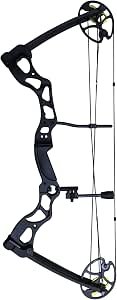
 Budget hunting package
SAS Outrage Review: 70 lb Hunting Compound Bow Package
Best for: Shoppers who want a full package on a tight budget
Buying guide
For budget buyers: start with a reviewed package that matches use case, then confirm the live listing price and draw range before you buy. Prices move; we do not freeze a fake under-$300 guarantee.
We compare manufacturer specs, owner feedback, and real-world usability — then rank by value for your use case.
Jump to
Bow Advice participates in the Amazon Associates program and other affiliate programs. We may earn from qualifying purchases at no extra cost to you. This does not affect our reviews or editorial decisions. Learn more.
Model shortlist
Budget hunting package
Best for: Shoppers who want a full package on a tight budget
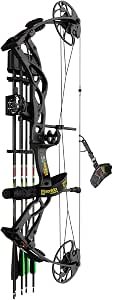 Wide adjustability
Best for: Growing or shared adult setups (right-hand)
 Budget adult package
Best for: Adults comparing another Sanlida package we reviewed
 Youth starter
Best for: Youth shooters in a light draw range
At a glance
SAS Outrage Review: 70 lb Hunting Compound Bow Package Budget hunting package
Budget hunting package
Sanlida Dragon X9 Ready to Hunt Package Review:
Wide adjustability
Budget adult package
BARNETT Vortex Lite Youth Compound Bow
Youth starter
Our standards
We start with manufacturer specs, owner manuals, and published adjustability ranges — not marketing slogans.
Scores answer who the product is for and who should skip it. We do not invent chronograph or range hours.
We weigh recurring owner complaints and praise from retailers, forums, and long-term users when available.
IBO speed, draw weight, draw length, and mass weight come from published listings unless a review explicitly records a measured value.
We match products to the stated use case. Brands cannot pay for placement. Method: /how-we-test/.
Need help deciding?
Answer a few questions and we'll point you at the best pick in this guide.
What will you use the bow for most?
Do you need wide draw-length adjustability?
Is budget your top priority?
Do you want a ready-to-shoot package?
Our recommendation
Full rankings
Budget hunting package
Pick 01
SAS Outrage Review: 70 lb Hunting Compound Bow Package is the budget hunting package compound bow because the **Southland Archery Supply Outrage 70 Lbs Hunting Compound Bow Package** is a real budget hunting bow package, not a premium out-of-box rig. If you want the cheapest…
The **Southland Archery Supply Outrage 70 Lbs Hunting Compound Bow Package** is a real budget hunting bow package, not a premium out-of-box rig. If you want the cheapest path into a compound bow and you’re okay with tuning help, it makes sense.
Next, check what the package usually includes and what you may still need to buy.
The **Southland Archery Supply Outrage 70 Lbs Hunting Compound Bow Package** is a real budget hunting bow package, not a premium out-of-box rig. If you want the cheapest path into a compound bow and you’re okay with tuning help, it makes sense.
The **Southland Archery Supply Outrage 70 Lbs Hunting Compound Bow Package** is a real budget hunting bow package, not a premium out-of-box rig. If you want the cheapest path into a compound bow and you’re okay with tuning help, it makes sense.
Budget hunting package
The **Southland Archery Supply Outrage 70 Lbs Hunting Compound Bow Package** is a real budget hunting bow package, not a premium out-of-box…
Best for: Shoppers who want a full package on a tight budget
Shop Now Full pick →
Budget adult package
The **Sanlida Dragon 10** (B0CDC94TVS) fits adult whitetail hunters with 27-32 inch draw and 60-70 lb peak who want flagship speed and…
Best for: Adults comparing another Sanlida package we reviewed
Shop Now Full pick →
Wide adjustability
Pick 02
Sanlida Dragon X9 Ready to Hunt Package Review: is the wide adjustability compound bow because for shared family setups where draw length and weight need to move with the shooter. A shared adult/teen RTH package needs wide draw adjustability without a bow press.
For shared family setups where draw length and weight need to move with the shooter. A shared adult/teen RTH package needs wide draw adjustability without a bow press.
For shared family setups where draw length and weight need to move with the shooter. A shared adult/teen RTH package needs wide draw adjustability without a bow press.
For shared family setups where draw length and weight need to move with the shooter. A shared adult/teen RTH package needs wide draw adjustability without a bow press.
Budget adult package
Pick 03
Sanlida Dragon 10 Review: is the budget adult package compound bow because the **Sanlida Dragon 10** (B0CDC94TVS) fits adult whitetail hunters with 27-32 inch draw and 60-70 lb peak who want flagship speed and a 5 lb carry bow. Skip…
The **Sanlida Dragon 10** (B0CDC94TVS) fits adult whitetail hunters with 27-32 inch draw and 60-70 lb peak who want flagship speed and a 5 lb carry bow. Skip it if you're a beginner needing wide adjustability, left-handed, youth-sized, or expecting arrows and a release in the box.
I carried mine up a ladder stand using the grip handle, then drew 65 lb in cold morning air without the stack feeling like a fight. Compared to the X8, the riser finish and cam machining are a clear step up. Cross-shopping traditional gear? See our best longbows roundup.
A teen with a 26-inch draw who buys the Dragon 10 because sanlida ranks well will discover the cam window doesn't fit. Beginners should look at recurve bows for beginners or the Samick Sage before forcing a flagship compound.
The **Sanlida Dragon 10** (B0CDC94TVS) fits adult whitetail hunters with 27-32 inch draw and 60-70 lb peak who want flagship speed and a 5 lb carry bow. Skip it if you're a beginner needing wide adjustability, left-handed, youth-sized, or expecting arrows and a release in the box.
The **Sanlida Dragon 10** (B0CDC94TVS) fits adult whitetail hunters with 27-32 inch draw and 60-70 lb peak who want flagship speed and a 5 lb carry bow. Skip it if you're a beginner needing wide adjustability, left-handed, youth-sized, or expecting arrows and a release in the box.
Youth starter
Pick 04
BARNETT Vortex Lite Youth Compound Bow is the youth starter compound bow because youth compound; retail title on our review lists 18–29 lb draw weight.
Youth compound; retail title on our review lists 18–29 lb draw weight.
Youth compound; retail title on our review lists 18–29 lb draw weight.
Youth compound; retail title on our review lists 18–29 lb draw weight.
Buying guide
Who this page is for: budget-minded beginners comparing compound packages we already reviewed. We do not invent current street prices — confirm the live listing total (bow + tax/shipping) before you treat anything as “under $300.”
How to use it: match use case (budget hunting package, wide adjustability, adult package, or youth), open the review, then verify draw range, handedness, and today’s price on the retailer page.
1) Match use case. 2) Read buy/skip notes. 3) Confirm live price + draw range on the listing. 4) Need draw help? draw weight guide. Method: how we research.
Common questions
Yes — if it fits you and you can tune it reliably. Most bows in this price range hit legal hunting draw weights. The bigger question is fit, quiet tuning, and whether the package accessories are good enough to get you shooting accurately before season.
Used can save money, but beginners often pay in tuning time and unknown wear. A new budget bow with wide adjustability is usually the safer first buy because you can grow into it and know the string/cable history.
Start lower than you think — often 40–50 lbs for adults learning form. You can increase draw weight as your shot process improves. Adjustability matters more than peak weight for your first compound.
A well-maintained compound bow often lasts 10–20 years. Strings and cables need replacement every 2–3 years of regular use. Budget bows can last just as long as premium models if you keep up with maintenance.
Several picks in this guide advertise no-press maintenance for basic setup. You still need proper tuning knowledge or a shop for major work — but beginner-friendly designs reduce early frustration.
The **Southland Archery Supply Outrage 70 Lbs Hunting Compound Bow Package** is a real budget hunting bow package, not a premium out-of-box rig. If you want the cheapest path into a compound bow and you’re okay with tuning help, it makes sense.