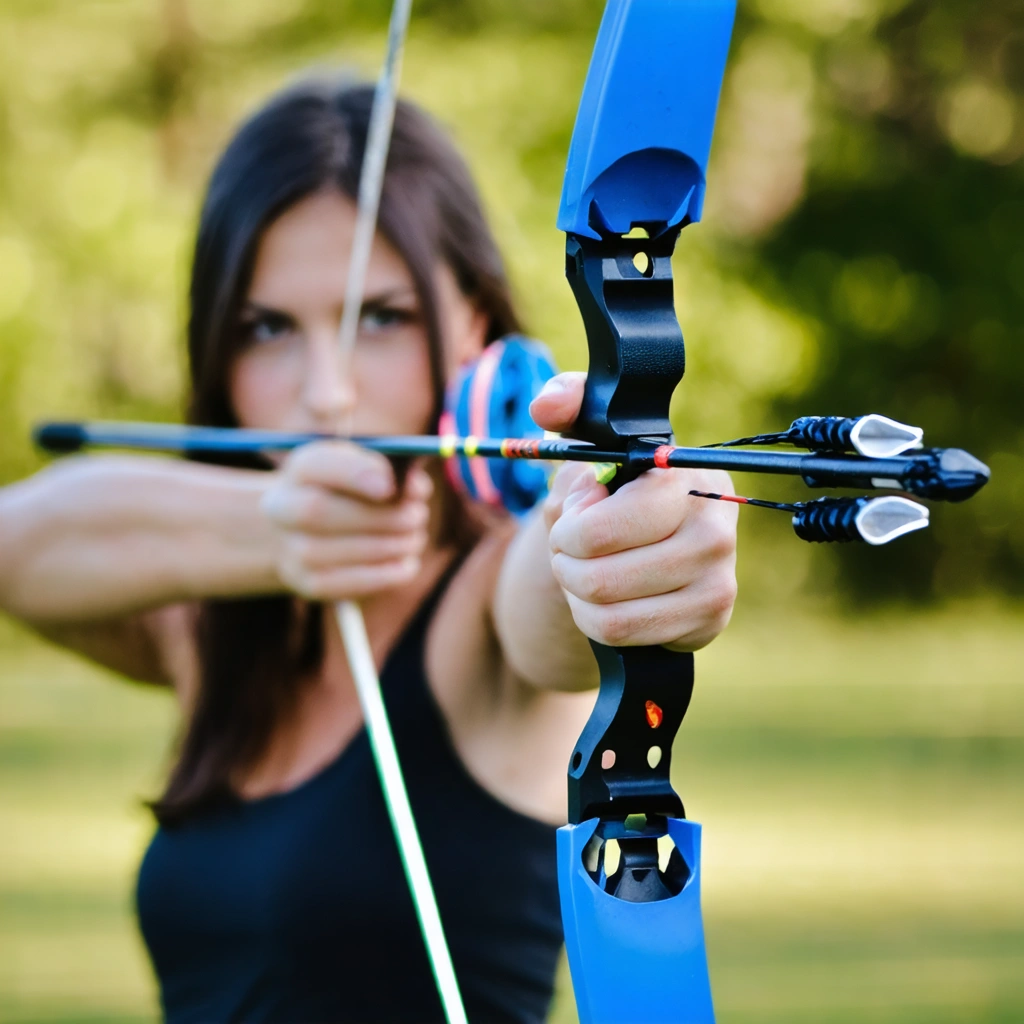
If you want a bow that feels serious without crossing the four-figure line, this guide narrows the field to the compound bows that actually earn a place on a short list. It’s for hunters and buyers who care about performance, adjustability, and value, not just brand names. The verdict is simple: some sub-$1000 bows are bargain picks, and some are the smartest buys in the category.
Compound bows under $1000 are compound bows sold at a retail price below $1,000 for the bow itself, usually bare bow or lightly packaged. In this range, you can find hunting-ready models, adjustable beginner bows, and mid-range options that trade a little prestige for real-world value.
That’s the part shoppers miss. Price alone doesn’t tell you whether a bow fits your draw length, settles at full draw, or stays quiet in a stand.
See our best compound bows and best compound bow for deer hunting hubs for related picks.
What matters most in a compound bow under $1000
The best value bows in this range usually balance five things:
- Fit: draw length and draw weight should match the shooter, not the spec sheet
- Stability: a bow should hold steady at full draw and resist torque
- Noise and vibration: quieter bows are easier to trust in the field
- Adjustability: more range helps beginners and growing archers
- Real value: the best bow is the one that performs well without forcing upgrades on day one
If you’re comparing options, start with fit first and speed second. A fast bow that doesn’t fit well is still the wrong bow.
Quick recommendations
| Best for | What to look for | Why it stands out | CTA |
|---|---|---|---|
| Best overall | Balanced draw cycle, solid brace height, broad adjustability | The safest choice for most buyers | Shop Now |
| Best budget | Simple tuning, forgiving geometry, lower package cost | Keeps total spend under control | Shop Now |
| Best for beginners | Wide draw-length range, easy adjustment, mild valley | Easier to learn and grow with | Shop Now |
| Best for hunters | Quiet shot, stable hold, compact axle-to-axle length | Better in blinds, stands, and tight cover | Shop Now |
How to choose the right bow
Draw length and draw weight
A bow can look perfect on paper and still feel wrong if the draw length is off. Too short and you feel cramped; too long and you lose control. Draw weight matters too, but more weight is not automatically better. Choose a weight you can draw smoothly and hold without shaking.
Axle-to-axle length
Shorter bows are often easier to maneuver in the field. Longer bows can feel steadier at full draw. If you hunt from tight spaces, compactness matters. If you want a calmer aiming experience, a longer platform may help.
Brace height
Brace height affects forgiveness. In general, a more forgiving bow is easier to shoot well, especially for newer archers. If you care more about consistency than raw speed, this spec deserves attention.
IBO speed
Speed gets attention, but it should not be the only filter. Real-world accuracy, comfort, and tuneability matter more than a flashy number. A slightly slower bow that shoots cleanly is often the better buy.
Want to see how fit and tuning affect real-world performance? Compare the bow’s specs against your draw length before you buy.
Common mistakes buyers make
- Buying for speed alone
- Ignoring draw length fit
- Choosing too much draw weight too soon
- Overlooking noise and vibration
- Assuming a package bow is automatically the best value
- Skipping tuning and setup costs
What “value” really means here
A true value bow is not just the cheapest option. It is the bow that gives you the best mix of fit, performance, and confidence for the money. For some buyers, that means a simple starter bow. For others, it means a mid-tier hunting bow that can stay in the lineup for years.
If you want a bow that lasts, think beyond the sticker price and look at how much performance you get before upgrades.
FAQ
What is a good compound bow under $1000?
A good compound bow under $1000 fits your draw length, shoots quietly, and gives you enough adjustability to stay comfortable. The best options usually balance forgiveness and performance instead of chasing maximum speed.
Are compound bows under $1000 good for hunting?
Yes. Many bows in this price range are built for hunting and offer the stability, compact size, and quiet shot cycle hunters want. The key is choosing a model that matches your setup and shooting style.
Should I buy a bare bow or a package bow?
Buy a bare bow if you already know which accessories you want. Choose a package bow if you want a simpler starting point and prefer one purchase to get you shooting sooner.
Is a more expensive bow always better?
No. Higher price can bring better finish, smoother draw cycles, or premium materials, but it does not guarantee a better fit or better results. The right bow for you is the one that performs well in your hands.
What specs should I compare first?
Start with draw length, draw weight, axle-to-axle length, brace height, and IBO speed. Those specs tell you much more about real-world use than brand reputation alone.