Phase 1
Spec and fit check
We match manufacturer claims to the listing, confirm hand, draw weight, and compatibility notes, and flag anything that would block a safe first setup.
Buyer-fit guidance (no numeric score) · how we research
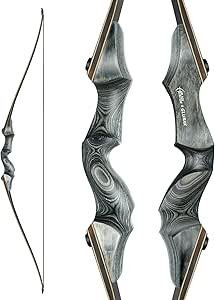
Quick verdict: Yes, with a condition. The **Black Hunter Takedown Longbow, GLURAK 60 inch bow** makes sense if you want a simple traditional bow, a wooden feel, and a takedown design that’s easier to store and travel with.
✓ Best for
The takedown longbow format makes storage and transport easier than a one-piece…
✕ Not for
A longbow can feel less forgiving than some beginner recurves, especially if…
As an Amazon Associate we may earn from qualifying purchases. Commissions do not change scores. Affiliate disclosure.
The 10-Second Answer
Yes, with a condition.
Buyer fit
Best for: The takedown longbow format makes storage and transport easier than a one-piece…
Skip if: A longbow can feel less forgiving than some beginner recurves, especially if…
No numeric research score — inputs are not documented for this review. How we research
Editor's Verdict
I’d point beginners here only if they’re willing to pick a sane draw weight and learn the basics. If you want the easiest first-bow path, a beginner recurve still has the edge.
Best for: beginner archery, traditional bow buyers, and anyone who wants a takedown hunting bow they can grow into.
Skip if: you want the most forgiving learning curve, a highly adjustable setup, or a compact hunting rig.
— ambermitchellI like this more as a first traditional bow than as a do-everything hunting bow. If you buy it in a manageable draw weight, it gives you room to learn without feeling flimsy.
The mistake is treating the top-end draw weights like a badge of honor. I’d rather see a new archer shoot a lighter bow cleanly than fight a heavy one for six weeks.
Overview
A takedown longbow breaks into parts instead of living as one fixed piece. On this model, that means the wooden riser and limbs work together as a traditional archery setup that’s easier to pack away than a one-piece bow.
The 60 inch length matters because it keeps the bow in longbow territory. It gives you that smooth, classic draw cycle and a traditional grip, while still staying practical for backyard practice and light woods use.
A one-piece longbow can feel a little cleaner and more old-world, but it’s less convenient. The takedown format wins for storage, shipping, and future flexibility, which is why I think it makes more sense for most new buyers.
Get the handedness right first, then choose the lightest draw weight you can shoot with good form. That’s the part too many first-time buyers skip, and it’s how they end up with a bow they can’t really use.
Specs, Visualized
Summary: spec: Details. Length: 60 inches. Handedness: Right-handed bow and left-handed bow options. Draw weight range: 25-60 lb. Bow type: Takedown longbow. Material feel: Wooden riser with traditional limbs. Intended use: Beginner practice, training, light hunting
Our pick for most adults: 25–60 lbs. Take the 15-second draw weight test →
Strung length
60 inches
Fail any of these? Use the bow finder below →
How We Research
Summary: We verify listing specs, check owner feedback across Amazon and forums, and compare against bows and accessories we have already reviewed on Bow Advice.
Phase 1
We match manufacturer claims to the listing, confirm hand, draw weight, and compatibility notes, and flag anything that would block a safe first setup.
Phase 2
We read recent Amazon reviews and archery forum threads for repeat praise, repeat complaints, and gaps between marketing copy and real-world use.
Phase 3
We compare price, included accessories, and upgrade path against close competitors so the recommendation reflects value—not just brand loyalty.
Owner Consensus
Summary: Most buyer feedback around bows like this usually clusters around feel, value, and setup. People tend to like the classic look and the takedown convenience, then mention stringing, arrow matching,…
Most buyer feedback around bows like this usually clusters around feel, value, and setup. People tend to like the classic look and the takedown convenience, then mention stringing, arrow matching, and tuning as the part that takes patience.
That lines up with what I’d expect from a budget-friendly traditional bow. The bow can be solid, but the whole system still depends on the archer doing the setup work.
Common praise
Common complaints
Forum-style feedback on beginner longbows usually sounds more blunt. Shooters often like the simple shooting style, but they’ll warn you not to buy too much draw weight too soon.
That’s the right warning here too. A traditional bow rewards clean form, and it punishes ego faster than a compound does.
I like this more as a first traditional bow than as a do-everything hunting bow. If you buy it in a manageable draw weight, it gives you room to learn without feeling flimsy. The mistake is treating the top-end draw weights like a badge of honor. I’d rather see a…
Best for
The takedown longbow format makes storage and transport easier than a one-piece…
Not for
A longbow can feel less forgiving than some beginner recurves, especially if…
Check price on Amazon →Bow Finder
Pick the profile that sounds like you. We point you to a living guide — not a scored ranking of this product.
Use-case path
Look for adjustable draw weight, a shelf or rest option, and a budget that still leaves room for arrows and a target. Begin with compound vs recurve, then a starter guide.
Next read
Starter guides — not a fit scoreUse-case path
Traditional shooters often want a smooth draw and simple setup. Takedown models let you swap limbs as you progress.
Next read
Traditional guides — not a fit scoreUse-case path
Hunters usually want let-off, sights, and adjustability. Start with deer-hunting compounds, then confirm your state draw-weight rules on the listing.
Next read
Hunting guides — not a fit scoreUse-case path
Youth bows should be light enough for small frames and adjustable enough to grow into. Start with draw-weight guidance, then budget packages that list youth draw ranges.
Next read
Youth path — not a fit scoreUse-case path
Competition paths vary by league. Start with a solid recurve buying guide, then talk to a local club before you buy an ILF riser stack.
Next read
Target path — not a fit scoreUse-case path
Budget does not mean bad. Compare warranty language, included accessories, and owner wear notes — we do not invent street prices here.
Next read
Budget guides — not a fit scoreBuyer Questions
The questions real buyers ask before ordering, answered from listings, manuals, and owner-feedback patterns — not a private lab.
Check price on Amazon →It’s a traditional wooden takedown longbow with a 60 inch length. It’s aimed at beginner practice, training, and light hunting use.
Yes, if you choose a manageable draw weight and want a traditional feel. If you want the easiest beginner path, a recurve bow is usually more forgiving.
It means the bow comes apart into sections, usually the riser and limbs. That makes storage, transport, and limb changes easier than with a one-piece longbow.
Yes. It works well for target practice and training, as long as you focus on consistent form and don’t chase heavy draw weight too early.
It usually sits in the budget to value range. Final price depends on draw weight, seller, and whether accessories are included.
Go lighter for practice, and only choose a hunting weight you can hold and shoot cleanly. For a first traditional bow, control matters more than bragging rights.
Yes. It breaks down more easily than a one-piece bow, which helps with storage, travel, and general handling.
You’ll want arrows matched to spine and length, plus a proper string setup check. A glove or tab, arm guard, and safe backstop are smart basics too.
A beginner recurve is often easier to learn on because it’s more forgiving. This longbow wins if you want a classic wooden feel and a simpler traditional shooting style.
I’d buy the Black Hunter Takedown Longbow, GLURAK 60 inch bow if I wanted a beginner longbow with a classic look and a takedown design. I’d pass if I wanted the easiest possible first bow, because a beginner recurve is still friendlier for most people.
The real buying move here is simple: choose a draw weight you can control, not the heaviest option on the page. If you do that, this bow has a real shot at being a smart first traditional bow.
If you’re still comparing, the FAQ below answers the usual sticking points.