Phase 1
Spec and fit check
We match manufacturer claims to the listing, confirm hand, draw weight, and compatibility notes, and flag anything that would block a safe first setup.
Buyer-fit guidance (no numeric score) · how we research
Quick verdict: I’d call the SAS Pioneer a conditional buy. It makes sense for beginner traditional archers, casual target shooters, and light-hunting buyers who want a classic wood longbow without extra clutter.
✓ Best for
This bow fits beginners who want a longbow for beginners without a pile of extras. It also works for archers who want a simple target and hunting longbow in either…
✕ Not for
I’d pass if you want maximum adjustability or accessory-heavy setups. A recurve bow usually gives you more room to tinker, and a compound bow gives you a totally different level…
As an Amazon Associate we may earn from qualifying purchases. Commissions do not change scores. Affiliate disclosure.
The 10-Second Answer
I’d call the SAS Pioneer a conditional buy.
Buyer fit
Best for: This bow fits beginners who want a longbow for beginners without a pile of extras. It also works for archers who want a simple target and hunting longbow in either…
Skip if: I’d pass if you want maximum adjustability or accessory-heavy setups. A recurve bow usually gives you more room to tinker, and a compound bow gives you a totally different level…
No numeric research score — inputs are not documented for this review. How we research
Editor's Verdict
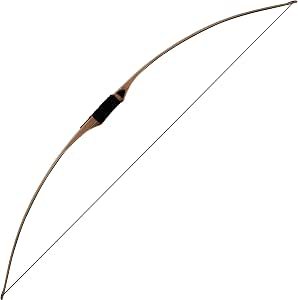
The 68 inch length is the real selling point here. It usually feels calmer than a shorter traditional bow, and that helps when you’re learning finger release, anchor point, and follow-through.
If you want adjustability, accessory mounting, or compound-like forgiveness, I’d look at a recurve instead. But if you want a straightforward traditional archery bow, this one lands in a useful lane.
If the verdict sounds close to what you need, check the specs before you buy the wrong hand or draw weight.
— ambermitchellI like this bow for people who want a plain, honest traditional setup. It feels like a tool, not a project.
I’d steer brand-new archers toward a manageable draw weight and a finger tab from day one. That’s where this bow starts making sense.
Overview
The SAS Pioneer sits in the entry-level traditional longbow lane. It’s a wood traditional bow for people who want a classic shot cycle without paying for premium features they may not use.
This bow fits beginners who want a longbow for beginners without a pile of extras. It also works for archers who want a simple target and hunting longbow in either right-hand or left-hand form.
If you want to learn finger shooting and keep the setup clean, this is a sensible place to start. It’s especially appealing if your goal is archery target shooting with occasional woods use.
I’d pass if you want maximum adjustability or accessory-heavy setups. A recurve bow usually gives you more room to tinker, and a compound bow gives you a totally different level of forgiveness.
Skip it too if you expect compound-level speed. A traditional bow asks for better form and more patience, and that’s part of the deal.
Myth: a traditional bow should behave like a compound. It won’t, and that mismatch is where a lot of buyer regret starts.
Specs, Visualized
Summary: spec: Details. Product: SAS Pioneer 68 inch longbow. Type: Traditional wood longbow. Length: 68 inches. Hand orientation: Right-hand and left-hand options. Material: Wood construction. Intended use: Archery target shooting, light hunting. Setup needs: Bow string, finger tab, arm guard, matched…
Strung length
68 inches
Fail any of these? Use the bow finder below →
How We Research
Summary: We verify listing specs, check owner feedback across Amazon and forums, and compare against bows and accessories we have already reviewed on Bow Advice.
Phase 1
We match manufacturer claims to the listing, confirm hand, draw weight, and compatibility notes, and flag anything that would block a safe first setup.
Phase 2
We read recent Amazon reviews and archery forum threads for repeat praise, repeat complaints, and gaps between marketing copy and real-world use.
Phase 3
We compare price, included accessories, and upgrade path against close competitors so the recommendation reflects value—not just brand loyalty.
Owner Consensus
Summary: Most buyer feedback on bows like this tends to split the same way. Happy owners usually praise the classic feel, while frustrated buyers usually mention hand orientation mistakes or draw…
Most buyer feedback on bows like this tends to split the same way. Happy owners usually praise the classic feel, while frustrated buyers usually mention hand orientation mistakes or draw weight that’s too heavy.
Forum chatter around entry-level longbows usually comes down to the same two things: fit and expectations. People like the simple shooting style, but they’re quick to warn that a longbow won’t forgive sloppy form the way a compound can.
I like this bow for people who want a plain, honest traditional setup. It feels like a tool, not a project. I’d steer brand-new archers toward a manageable draw weight and a finger tab from day one. That’s where this bow starts making sense.
Best for
This bow fits beginners who want a longbow for beginners without a pile of extras. It also works for archers who want a simple target and hunting longbow in either…
Not for
I’d pass if you want maximum adjustability or accessory-heavy setups. A recurve bow usually gives you more room to tinker, and a compound bow gives you a totally different level…
Check price on Amazon →Bow Finder
Pick the profile that sounds like you. We point you to a living guide — not a scored ranking of this product.
Use-case path
Look for adjustable draw weight, a shelf or rest option, and a budget that still leaves room for arrows and a target. Begin with compound vs recurve, then a starter guide.
Next read
Starter guides — not a fit scoreUse-case path
Traditional shooters often want a smooth draw and simple setup. Takedown models let you swap limbs as you progress.
Next read
Traditional guides — not a fit scoreUse-case path
Hunters usually want let-off, sights, and adjustability. Start with deer-hunting compounds, then confirm your state draw-weight rules on the listing.
Next read
Hunting guides — not a fit scoreUse-case path
Youth bows should be light enough for small frames and adjustable enough to grow into. Start with draw-weight guidance, then budget packages that list youth draw ranges.
Next read
Youth path — not a fit scoreUse-case path
Competition paths vary by league. Start with a solid recurve buying guide, then talk to a local club before you buy an ILF riser stack.
Next read
Target path — not a fit scoreUse-case path
Budget does not mean bad. Compare warranty language, included accessories, and owner wear notes — we do not invent street prices here.
Next read
Budget guides — not a fit scoreBuyer Questions
The questions real buyers ask before ordering, answered from listings, manuals, and owner-feedback patterns — not a private lab.
Check price on Amazon →It’s best for traditional target practice and light hunting. The 68 inch length helps it feel smoother and steadier than many shorter bows, which is a nice fit for finger shooting and consistent form.
Yes, if the draw weight is manageable. Beginners still need a finger tab and arm guard, and they should start with a weight they can shoot cleanly without fighting the bow.
Yes, for target shooting and light hunting where legal. You’ll need to check local regulations and keep your effective range realistic, because a traditional bow rewards discipline more than distance.
It refers to how the bow is held and which hand draws the string. The bow has to match your shooting setup, so choosing the wrong hand orientation can make the draw awkward or unsafe.
It usually sits in the budget-friendly part of the traditional bow market. That makes it appealing if you want a simple first longbow without paying for premium materials or tuning options.
Yes, if you keep the draw weight sensible. A beginner can learn well on a longbow like this, but the bow won’t hide bad form the way a more forgiving setup might.
Pick a draw weight you can shoot smoothly and accurately first, then make sure it meets your local hunting rules. If you’re unsure, start with a draw weight guide before buying.
Yes. At minimum, I’d plan on a finger tab, an arm guard, and arrows matched to the bow’s draw weight. A safe backstop and basic string care should be part of the setup too.
The better choice is the one that matches your shooting hand and eye dominance. If you’re unsure, check a bow sizing guide before you order, because the wrong hand orientation is a costly mistake.
The SAS Pioneer is more of a classic longbow feel, while a Samick Sage style recurve usually gives you more adjustability and accessory options. If you want simplicity, the SAS Pioneer makes sense, but if you want flexibility, a recurve may fit better. If you’re ready to compare it with other beginner bows, the longbows hub is the next stop. Shop Now: Check the Price on Amazon!
The SAS Pioneer is a practical buy if you want a simple traditional archery bow for target practice and light hunting. Just make sure you pick the right hand and a draw weight you can actually shoot well.
It’s not a premium bow, and that’s fine. It gives you the basic longbow experience without overcomplicating the first season.
If you want more help choosing the right setup, the FAQ answers the last common objections.