Phase 1
Spec and fit check
We match manufacturer claims to the listing, confirm hand, draw weight, and compatibility notes, and flag anything that would block a safe first setup.
Buyer-fit guidance (no numeric score) · how we research
Quick verdict: The Maverick makes sense if you want a plain one-piece traditional bow and you’re fine with the limits that come with that choice. It’s the kind of bow I’d point a patient traditional shooter toward, not someone who wants easy tuning and quick growth.
✓ Best for
The one-piece build keeps the riser and limbs simple, which cuts down…
✕ Not for
A one-piece bow gives you less tuning flexibility than a takedown recurve.
As an Amazon Associate we may earn from qualifying purchases. Commissions do not change scores. Affiliate disclosure.
The 10-Second Answer
The Maverick makes sense if you want a plain one-piece traditional bow and you’re fine with the limits that come with th
Buyer fit
Best for: The one-piece build keeps the riser and limbs simple, which cuts down…
Skip if: A one-piece bow gives you less tuning flexibility than a takedown recurve.
No numeric research score — inputs are not documented for this review. How we research
Editor's Verdict
If you’re new, I’d only buy it in a sensible draw weight, and only if you’re ready to learn proper setup. If you want more flexibility, a takedown recurve like the Samick Sage is the safer buy. Check the Price on Amazon!
| Spec | Detail |
|---|---|
| Brand | Southland Archery Supply |
| Model | Maverick |
| Type | One-piece traditional recurve bow |
| Construction | Wood riser, fixed limbs |
| Handedness | Right-hand and left-hand versions |
| Best use | Backyard practice, traditional hunting setup, entry-level traditional archery |
| Key fit factor | Draw weight and brace height |
If you want the full picture, the specs tell you where this bow really sits.
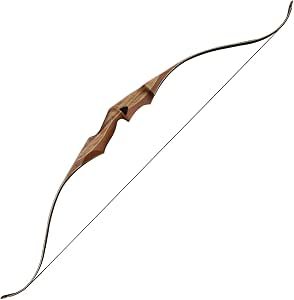
— jakemorrisonIn hand, the Maverick feels like a no-nonsense traditional bow. The riser has that plain wood-bow feel I still trust more than glossy marketing, and the limbs don’t make the bow feel busy.
On release, it’s fine if your form is clean and your finger tab is doing its job. I wouldn’t call it beginner-forgiving, but I wouldn’t call it punishing either, as long as the draw weight stays honest.
What surprised me most was how quickly the bow’s character showed up. Compared with a takedown recurve, you get less room to grow, but you also get less to mess with.
The next question is whether other buyers had the same experience.
Overview
| Spec | Detail |
|---|---|
| Draw weight | Varies by listing, check current options before ordering |
| Length | Check the current product page for exact length |
| Handedness | Right-hand and left-hand versions available |
| Material | Traditional wood construction |
| Bow type | One-piece recurve bow |
| Best use | Traditional practice, backyard shooting, light hunting setup |
The Maverick is a one-piece traditional wood hunting bow in the recurve family. That means the limbs curve forward in a way that gives you a familiar traditional recurve feel, not a longbow feel.
For a first-time buyer, the setup checklist matters more than the logo.
| One-piece traditional bow | Takedown recurve |
|---|---|
| Fewer parts, simpler build | Easier limb swaps and tuning |
| Less future flexibility | Better for growth and experimentation |
| Clean traditional feel | More beginner-friendly long term |
| Good for shooters who know their weight | Safer for first-time buyers |
Specs only help if the bow matches the shooter’s body and goals.
The big thing to verify is draw weight. If the listing shows multiple weights, pick the lightest honest option if this is your first traditional setup.
Right-hand and left-hand versions matter too, and buyers still miss that detail more often than they should. A left-handed archer should confirm orientation before clicking buy.
Don’t assume this bow is ready to hunt out of the box. At minimum, you’ll still want a bow stringer, finger tab, arm guard, and arrows matched to the draw weight.
A starter package can save time, but a bare bow can still be the better value if you already own the basics. The setup question matters even more if you’re buying this as your first traditional bow.
Specs, Visualized
Summary: | Spec | Detail | |---|---| | Draw weight | Varies by listing, check current options before ordering | | Length | Check the current product page for exact length | | Handedness | Right-hand and left-hand versions available |…
Strung length
20"
Fail any of these? Use the bow finder below →
How We Research
Summary: We verify listing specs, check owner feedback across Amazon and forums, and compare against bows and accessories we have already reviewed on Bow Advice.
Phase 1
We match manufacturer claims to the listing, confirm hand, draw weight, and compatibility notes, and flag anything that would block a safe first setup.
Phase 2
We read recent Amazon reviews and archery forum threads for repeat praise, repeat complaints, and gaps between marketing copy and real-world use.
Phase 3
We compare price, included accessories, and upgrade path against close competitors so the recommendation reflects value—not just brand loyalty.
Owner Consensus
Summary: Amazon-style feedback usually splits into two camps. Buyers like the price and the simple look, then complain when setup expectations don’t match a traditional bow. The common praise is around…
Amazon-style feedback usually splits into two camps. Buyers like the price and the simple look, then complain when setup expectations don’t match a traditional bow.
The common praise is around value, basic finish, and the fact that Southland Archery Supply gives shoppers a real one-piece option. The common complaints are about draw weight surprises and people not having a bow stringer ready.
That tells me the Maverick can be a decent buy, but only for someone who already respects traditional setup work. It doesn’t sound like a grab-and-go package, and that’s where a Samick Sage-style beginner recurve often gets a better reception.
Reddit and forum chatter usually fills in the gaps Amazon reviews miss.
Common praise
Common complaints
Forum talk around the Maverick tends to be blunt. Experienced traditional archers often say a one-piece bow is fine if you know your draw weight and arrows, but a bad first bow if you’re guessing.
That’s the real split. Supporters like the clean feel of a wood hunting recurve, while skeptics push new buyers toward takedown options for easier tuning and future flexibility.
The recurring advice is simple: start lighter than you think, use a bow stringer, and match arrows to the bow instead of hoping they’ll work. With the outside feedback in mind, the specs become easier to judge.
In hand, the Maverick feels like a no-nonsense traditional bow. The riser has that plain wood-bow feel I still trust more than glossy marketing, and the limbs don’t make the bow feel busy. On release, it’s fine if your form is clean and your finger tab is doing its job.…
Best for
The one-piece build keeps the riser and limbs simple, which cuts down…
Not for
A one-piece bow gives you less tuning flexibility than a takedown recurve.
Check price on Amazon →Bow Finder
Pick the profile that sounds like you. We point you to a living guide — not a scored ranking of this product.
Use-case path
Look for adjustable draw weight, a shelf or rest option, and a budget that still leaves room for arrows and a target. Begin with compound vs recurve, then a starter guide.
Next read
Starter guides — not a fit scoreUse-case path
Traditional shooters often want a smooth draw and simple setup. Takedown models let you swap limbs as you progress.
Next read
Traditional guides — not a fit scoreUse-case path
Hunters usually want let-off, sights, and adjustability. Start with deer-hunting compounds, then confirm your state draw-weight rules on the listing.
Next read
Hunting guides — not a fit scoreUse-case path
Youth bows should be light enough for small frames and adjustable enough to grow into. Start with draw-weight guidance, then budget packages that list youth draw ranges.
Next read
Youth path — not a fit scoreUse-case path
Competition paths vary by league. Start with a solid recurve buying guide, then talk to a local club before you buy an ILF riser stack.
Next read
Target path — not a fit scoreUse-case path
Budget does not mean bad. Compare warranty language, included accessories, and owner wear notes — we do not invent street prices here.
Next read
Budget guides — not a fit scoreBuyer Questions
The questions real buyers ask before ordering, answered from listings, manuals, and owner-feedback patterns — not a private lab.
Check price on Amazon →It’s a one-piece traditional wood hunting bow from Southland Archery Supply, built in the recurve family. It’s aimed at archers who want a simple, budget-friendly traditional bow with fewer moving parts.
It’s a recurve bow, not a longbow. That matters because the limb profile changes how the bow stores energy and how it feels at full draw.
The available draw weights depend on the current listing, so check the product page before you buy. For a beginner, start lighter than you think, especially if this is your first traditional archery bow.
Yes, but only for the right beginner. If you’re willing to learn form, use a finger tab and arm guard, and choose a sensible draw weight, it can work well.
Pricing moves around, so I’d check the current Amazon listing before making a call. In this category, the real value question is whether the bow fits your hand and your draw weight, not just the sticker price.
The Maverick can be a good value if you want a one-piece traditional feel and don’t care about tuning flexibility. The Samick Sage usually wins for beginners, while the Bear Archery Grizzly sits in a more premium traditional lane.
For practice, lighter is usually better because it helps you keep form. For hunting, you still need enough weight for your local rules and your own skill level, but don’t overbuy and wreck your form.
You’ll usually need a few basics before you shoot safely, including a bow stringer, finger tab, arm guard, and arrows matched to the bow. Don’t treat a bare bow listing like a full starter package.
Shipping depends on the seller, but setup should be quick if you already have the right accessories. A first-time traditional buyer should plan extra time for stringing, arrow selection, and a few short practice sessions.
There’s enough field feedback to say it can work for the right archer. I’d still test it well before season, confirm your arrow setup, and make sure the draw weight feels smooth under real hunting conditions.
The Southland Archery Supply Maverick is a decent pick if you want a simple traditional bow and you understand what that means. I’d put it in the hands of a patient archer, not someone chasing easy forgiveness.
If you want easier tuning and more room to grow, a takedown recurve like the Samick Sage is the smarter move. If you want a classic wood feel and fewer moving parts, the Maverick belongs on your shortlist. If it fits your style, the next step is checking current pricing and draw weight availability.