Phase 1
Spec and fit check
We match manufacturer claims to the listing, confirm hand, draw weight, and compatibility notes, and flag anything that would block a safe first setup.
Buyer-fit guidance (no numeric score) · how we research
Quick verdict: This is a budget horsebow that makes sense for the right buyer, but it isn’t a premium piece and it doesn’t pretend to be one. I’d call it a decent entry point for casual traditional archery, as long as you keep your expectations in check on fit, finish, and consistency.
✓ Best for
Archery shoppers comparing this product
✕ Not for
Buyers who need a different platform or budget tier
As an Amazon Associate we may earn from qualifying purchases. Commissions do not change scores. Affiliate disclosure.
The 10-Second Answer
This is a budget horsebow that makes sense for the right buyer, but it isn’t a premium piece and it doesn’t pretend to b
Buyer fit
Best for: Archery shoppers comparing this product
Skip if: Buyers who need a different platform or budget tier
No numeric research score — inputs are not documented for this review. How we research
Editor's Verdict
Buy it if you want a low-cost way to try a short traditional bow, practice in the yard, or test whether a Mongolian-style setup fits your hand. Skip it if you want refined limbs, a clean riser, known warranty support, or hunting-grade consistency out of the box.
The biggest tradeoff is plain: you’re buying price and traditional styling, not polished build quality. Compared with a Samick Sage or a true longbow, this Toparchery model is more about getting into the category cheaply than owning the nicest bow on the rack.
— jakemorrisonI’d put this in the “good enough if you know why you’re buying it” bucket. If you want a cheap way to get into traditional archery, it’s interesting.
If you want a bow that feels dialed, I’d keep looking at a better-known recurve brand or a cleaner longbow.
Overview
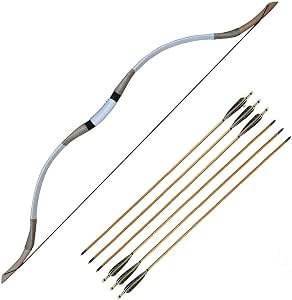
In hand, this looks more like a budget traditional shooter than a serious hunting tool. The cow leather wrap and short bow geometry give it the right visual identity, but the setup quality will decide whether it feels decent or disappointing.
I’d expect the string nocks, brace height, and limb alignment to matter a lot. If those are off, the bow won’t feel smooth, and the whole experience starts to feel cheaper than the listing promised.
Compared with a true longbow, this should feel shorter, quicker, and less forgiving. Compared with a full-size recurve, it should feel more compact and a little more specialized, which is exactly why the horsebow vs recurve bow question matters.
If you’re a beginner, this can work as a first traditional archery bow for learning form, but only if you choose a sensible draw weight. If you’re shopping for hunting, I’d treat it as a project bow until you confirm legality, arrow match, and how cleanly you can shoot it.
Specs, Visualized
Summary: spec: Detail. Length: 51 inches. Advertised draw-weight range: 20 to 70 lbs. Bow type: Traditional horsebow, Mongolian-style recurve profile. Intended use: Casual traditional archery, practice, low-cost hunting experiments. Likely buyer fit: Beginners, budget shoppers, curious traditional shooters
Our pick for most adults: 70 lbs. Take the 15-second draw weight test →
Strung length
51 inches
Fail any of these? Use the bow finder below →
How We Research
Summary: We verify listing specs, check owner feedback across Amazon and forums, and compare against bows and accessories we have already reviewed on Bow Advice.
Phase 1
We match manufacturer claims to the listing, confirm hand, draw weight, and compatibility notes, and flag anything that would block a safe first setup.
Phase 2
We read recent Amazon reviews and archery forum threads for repeat praise, repeat complaints, and gaps between marketing copy and real-world use.
Phase 3
We compare price, included accessories, and upgrade path against close competitors so the recommendation reflects value—not just brand loyalty.
Owner Consensus
Summary: The pattern I’d expect from Amazon buyers is pretty standard for a budget horsebow. Happy buyers usually talk about the look, the low price, and the fun of shooting something…
The pattern I’d expect from Amazon buyers is pretty standard for a budget horsebow. Happy buyers usually talk about the look, the low price, and the fun of shooting something different.
The complaints usually land on finish quality, setup quirks, and draw-weight expectations. That lines up with what I’d expect from an entry-level imported bow.
Forum and Reddit chatter around bows like this usually splits into two camps. One group likes the novelty and the value, while the other group gets annoyed when a cheap traditional bow needs more tuning than they wanted.
That’s the real filter here. If you enjoy tinkering, you’ll probably have more patience than someone who wants a clean, ready-to-shoot setup.
I’d put this in the “good enough if you know why you’re buying it” bucket. If you want a cheap way to get into traditional archery, it’s interesting. If you want a bow that feels dialed, I’d keep looking at a better-known recurve brand or a cleaner longbow.
Best for
Archery shoppers comparing this product
Not for
Buyers who need a different platform or budget tier
Check price on Amazon →Bow Finder
Pick the profile that sounds like you. We point you to a living guide — not a scored ranking of this product.
Use-case path
Look for adjustable draw weight, a shelf or rest option, and a budget that still leaves room for arrows and a target. Begin with compound vs recurve, then a starter guide.
Next read
Starter guides — not a fit scoreUse-case path
Traditional shooters often want a smooth draw and simple setup. Takedown models let you swap limbs as you progress.
Next read
Traditional guides — not a fit scoreUse-case path
Hunters usually want let-off, sights, and adjustability. Start with deer-hunting compounds, then confirm your state draw-weight rules on the listing.
Next read
Hunting guides — not a fit scoreUse-case path
Youth bows should be light enough for small frames and adjustable enough to grow into. Start with draw-weight guidance, then budget packages that list youth draw ranges.
Next read
Youth path — not a fit scoreUse-case path
Competition paths vary by league. Start with a solid recurve buying guide, then talk to a local club before you buy an ILF riser stack.
Next read
Target path — not a fit scoreUse-case path
Budget does not mean bad. Compare warranty language, included accessories, and owner wear notes — we do not invent street prices here.
Next read
Budget guides — not a fit scoreBuyer Questions
The questions real buyers ask before ordering, answered from listings, manuals, and owner-feedback patterns — not a private lab.
Check price on Amazon →It’s a budget traditional horsebow from Toparchery, built in a short 51 inch format with a Mongolian-style look. It belongs in traditional archery, not the compound category, and it’s aimed at casual shooting and low-cost experimentation.
In practice, it behaves more like a short traditional horsebow with a recurve profile than a true longbow. The label is confusing because sellers often stack keywords, but the shape, limbs, and riser tell you more than the title does.
That’s the advertised draw-weight range, and it tells you how much force the bow takes to draw. It doesn’t mean every archer should start at the top end, and it doesn’t remove the need to match arrow spine and bow string setup correctly.
It fits casual traditional shooters, budget buyers, and beginners who don’t mind learning setup basics. Hunters can consider it only if the draw weight is legal where they live and the bow tunes well with the arrows they plan to shoot.
I’d buy this only if I wanted a cheap budget horsebow for casual traditional shooting or light experimentation. If you want premium finish, known support, or a bow you can trust without fuss, I’d spend more on a better-established recurve or longbow.
For the right buyer, the price can make sense. For everyone else, the compromises show up fast.