Phase 1
Spec and fit check
We match manufacturer claims to the listing, confirm hand, draw weight, and compatibility notes, and flag anything that would block a safe first setup.
Buyer-fit guidance (no numeric score) · how we research
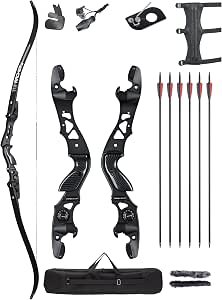
Quick verdict: The **TOPARCHERY 62-inch ILF takedown recurve** is a right-hand aluminum-riser platform for adult beginners and outdoor trainers who want real ILF limb compatibility at a budget price. Buyers often choose it when the shooter knows they want takedown transport and a limb upgrade path, and they'll start at an honest draw weight.
✓ Best for
ILF limb interface lets you swap compatible limbs instead of replacing the…
✕ Not for
Right-hand only shrinks the buyer pool from the start.
As an Amazon Associate we may earn from qualifying purchases. Commissions do not change scores. Affiliate disclosure.
The 10-Second Answer
The **TOPARCHERY 62-inch ILF takedown recurve** is a right-hand aluminum-riser platform for adult beginners and outdoor
Buyer fit
Best for: ILF limb interface lets you swap compatible limbs instead of replacing the…
Skip if: Right-hand only shrinks the buyer pool from the start.
No numeric research score — inputs are not documented for this review. How we research
Editor's Verdict
I'd skip it for left-hand shooters, hunt-primary buyers who need shop tuning, or anyone who wants Sage-class community support out of the box.
Best for adult beginners and backyard trainers who want ILF swaps on a 62-inch bow. My bottom line: buy for platform value at light to moderate poundage; pass if you need left-hand fit or proven long-term parts culture.
See the best recurve bows roundup for the wider takedown lane.
{{LASSO:B0BVFWVC13}}
— jakemorrisonI've strung takedown recurves in cold rain when a one-piece bow would not fit in the trunk. TOPARCHERY's ILF pin design is the reason I'd look at this over another Amazon one-piece with fixed limbs.
I start neighbors at the light end of the dropdown and watch shoulders through arrow eight. If form folds, the bow is too heavy no matter what the listing max says.
When a shooter asks about growth path, I still mention Samick Sage in the best recurve bows cluster. TOPARCHERY fits buyers who want ILF mechanics today and will tolerate thinner long-term support.
Overview
The TOPARCHERY listing centers on a 62-inch right-hand ILF takedown with Gordon-style limb laminates and an aluminum riser. You choose draw weight and color from the dropdown before checkout.
Beginners should read the bow draw weight guide before grabbing the heaviest option because the range goes to 60 pounds.
| Bow | Profile | Best for |
|---|---|---|
| TOPARCHERY ILF 62" | Budget ILF takedown | Adult beginners wanting limb swaps |
| Samick Sage | Proven ILF standard | Long upgrade path and shop support |
| One-piece 60" kit | Fixed limbs | Buyers who will not change poundage |
Want ILF today on a budget: TOPARCHERY. Want the classic upgrade road: Sage. Want simplest checkout: one-piece kit.
Outdoor trainers and backyard archers fit the sweet spot. Serious tournament buyers should budget for better limbs and matched arrows.
See beginner bow setups for the accessory checklist beyond the kit.
Specs, Visualized
Summary: spec: Detail. Bow length: 62 inches. Riser length: 19 inches. Riser material: 7075 aluminum alloy. Limb system: ILF (International Limb Fitting). Draw weight: 25–60 lbs (SKU dependent). Max draw length: 32 inches. Brace height: 19–21 cm. Ibo speed: ~210 FPS.…
Our pick for most adults: 25–60 lbs. Take the 15-second draw weight test →
Strung length
62"
Fail any of these? Use the bow finder below →
How We Research
Summary: We verify listing specs, check owner feedback across Amazon and forums, and compare against bows and accessories we have already reviewed on Bow Advice.
Phase 1
We match manufacturer claims to the listing, confirm hand, draw weight, and compatibility notes, and flag anything that would block a safe first setup.
Phase 2
We read recent Amazon reviews and archery forum threads for repeat praise, repeat complaints, and gaps between marketing copy and real-world use.
Phase 3
We compare price, included accessories, and upgrade path against close competitors so the recommendation reflects value—not just brand loyalty.
Owner Consensus
Summary: Buyer themes on budget ILF recurves praise takedown convenience, solid riser feel, and price versus name-brand ILF rigs. Complaints cluster around heavy poundage for true beginners, kit contents not matching…
Buyer themes on budget ILF recurves praise takedown convenience, solid riser feel, and price versus name-brand ILF rigs. Complaints cluster around heavy poundage for true beginners, kit contents not matching photos, and finish nicks on limbs out of the box.
Common praise
Common complaints
Forum threads split between "fine cheap ILF starter" and "save for Sage or Galaxy." Consensus: use a stringer, confirm SKU contents, and treat included arrows as range trainers not final setup.
I've strung takedown recurves in cold rain when a one-piece bow would not fit in the trunk. TOPARCHERY's ILF pin design is the reason I'd look at this over another Amazon one-piece with fixed limbs. I start neighbors at the light end of the dropdown and watch shoulders through arrow…
Best for
ILF limb interface lets you swap compatible limbs instead of replacing the…
Not for
Right-hand only shrinks the buyer pool from the start.
Check price on Amazon →Bow Finder
Pick the profile that sounds like you. We point you to a living guide — not a scored ranking of this product.
Use-case path
Look for adjustable draw weight, a shelf or rest option, and a budget that still leaves room for arrows and a target. Begin with compound vs recurve, then a starter guide.
Next read
Starter guides — not a fit scoreUse-case path
Traditional shooters often want a smooth draw and simple setup. Takedown models let you swap limbs as you progress.
Next read
Traditional guides — not a fit scoreUse-case path
Hunters usually want let-off, sights, and adjustability. Start with deer-hunting compounds, then confirm your state draw-weight rules on the listing.
Next read
Hunting guides — not a fit scoreUse-case path
Youth bows should be light enough for small frames and adjustable enough to grow into. Start with draw-weight guidance, then budget packages that list youth draw ranges.
Next read
Youth path — not a fit scoreUse-case path
Competition paths vary by league. Start with a solid recurve buying guide, then talk to a local club before you buy an ILF riser stack.
Next read
Target path — not a fit scoreUse-case path
Budget does not mean bad. Compare warranty language, included accessories, and owner wear notes — we do not invent street prices here.
Next read
Budget guides — not a fit scoreBuyer Questions
The questions real buyers ask before ordering, answered from listings, manuals, and owner-feedback patterns — not a private lab.
Check price on Amazon →The TOPARCHERY ILF Takedown Recurve Bow is a right-hand 62-inch takedown recurve (ASIN B0BVFWVC13) with an ILF-compatible aluminum riser and draw weights from 25 to 60 pounds depending on the SKU.
Yes, at 25 to 35 pounds with proper tab, arm guard, and stringer use. Skip the top half of the draw-weight range until you can hold full draw with steady shoulders.
ILF (International Limb Fitting) is a standardized limb pocket system. It lets you swap ILF-compatible limbs on the same riser to change draw weight without buying a new bow.
Start at the light end for your size and strength. The archer should complete a full end without shaking at anchor or collapsing the front shoulder.
Many kit SKUs include arrows, tab, arm guard, and rest, but contents vary by listing. Read the package line on the Amazon page before you buy.
Yes, if you want a budget ILF takedown for outdoor training and accept thinner brand support than Samick Sage. Skip it for left-hand fit, hunt-only expectations, or buyers who need a complete premium kit out of the box.
Buyers often choose the TOPARCHERY ILF 62-inch takedown for light to moderate poundage outdoor practice when you want real limb swaps and can confirm the SKU kit matches your needs.
I'd skip it for left-hand shooters, hunt-primary rigs without separate tuning budget, or buyers who know they'll want Sage-class support inside a year. That is my call after damp range nights where fit mattered more than IBO speed on the page.